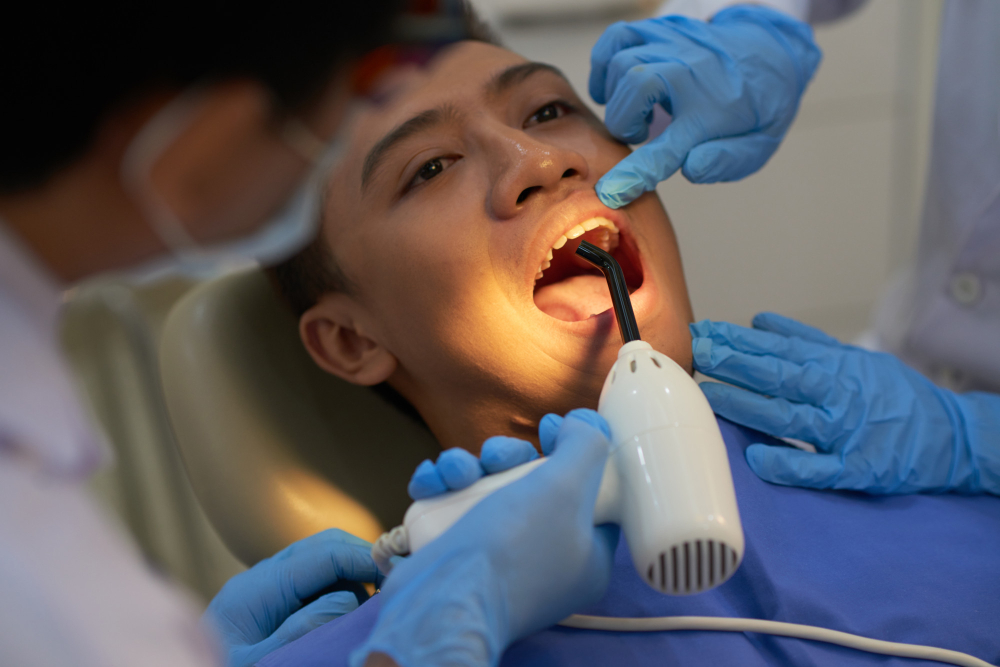
Nothing is more reassuring than having that beautiful smile. Good-looking teeth create confidence and contribute general health and comfort in a person’s daily life. Of all diseases, tooth decays and cavities rank amongst the most rampant ones befalling any age group. Cavities and further damages are restored and prevented by dental filling in High Point, while the unnatural functioning of the teeth is returned. If seeking a reliable dentist for high-quality fillings in High Point is part of your search, then this guide has the understanding you need.
What Are Fillings?
Fillings are the materials used to reconstruct teeth damaged by decay or minor fracture. When such cavities form, the dentist removes the decayed portion of the tooth and puts in that space a strong protective material to prevent further deeper bacterial intrusions and regain normal functioning of the tooth.
Different Types of Dental Fillings Available in High Point
Nowadays, numerous fills are offered to patients, choosing according to durability, aesthetics, and cost. The most common are:
Composite Fillings-Color to match your tooth and blend easily with your smile.
Amalgam Fillings-Strong silver fillings which are most often preferred for back teeth.
Ceramic Fillings-Filling that has resistance against stains and also long-lasting with a natural appearance.
Gold fillings-Strong and long-lasting but not commonly preferred for cost.
Your dentist in High Point will suggest the best option according to your needs.
Benefits of Dental Fillings
These many advantages explain why you should consider dental fillings:
– Stops the progress of decay
– Restores chewing and biting ability
– Enhances aesthetics of the tooth
– Strengthens weakened teeth
Provides long-lasting protection
Why Have Fillings in High Point?
Numerous skilled dentists and modern dental clinics are located in High Point offering all advanced restorative care. Such practices use digital imaging, pain-less techniques, and top-quality materials, thus resulting in effective fillings that are comfortable. Whether it is a new filling or replacing an old one, professional care is right there in High Point.
What Happens During a Dental Filling Appointment
Filling takes little time and will not be painful:
– Diagnosis-The dentist inspects your tooth. It may involve X-ray examinations.
– Decay Removal-Dentist excised carved part from the teeth.
– Fill-The dentist sets the filling shape and applies it.
– Smooth-The filling is smoothed for accuracy in producing your bite.
Typically, the entire process will take less than an hour, and one can return to normal activities immediately.
How Not to Care for Dental Fillings
To prolong the lifespan of your fillings, dentists in High Point advise:
– Brush “twice a day” with fluoride toothpaste.
– Needless to say, floss every day.
– Deprive yourself of sugar-filled foods and beverages.
– Visit regularly for check-ups at the dentists office.
– Conclusion- Restore Your Teeth with Confidence
If you are dealing with cavities, tooth sensitivity, or old fillings requiring replacement, do not wait till the issue gets worse. High Point offers a very quick, efficient, and economical way of restoring that lovely smile. Excellent dentists are all that it takes to help you in protecting teeth, improving oral health, and ultimate comfort.



Teeth Extractions in Highpoint
Tooth extractions are sometimes necessary when a tooth is severely damaged, infected, overcrowded, or cannot be preserved through other dental treatments. However, the recommended approach can vary depending on the patient’s age, tooth condition, extraction complexity, and overall oral health. Gentle Care Family Dental, located on Hickswood Road in High Point, provides dental care for children and families. Understanding the different extraction options can help parents and patients make informed decisions. This guide includes a comparison table and checklist to explain common extraction types, treatment considerations, and what to discuss with your dentist. Extraction Options in Highpoint: What Determines the Right Choice? The right extraction approach depends on the patient’s age, the condition and position of the tooth, and the complexity of the procedure. Type / Option Key Characteristics Best Fit For Simple Tooth Extraction Removes a visible tooth that can be accessed without surgical intervention. Patients with severely decayed, damaged, or loose teeth. Surgical Tooth Extraction Involves a more complex procedure when a tooth is broken, impacted, or difficult to access. Patients with teeth that cannot be removed through a simple extraction. Pediatric Tooth Extraction Focuses on safely removing baby or permanent teeth when clinically necessary. Children with severely damaged baby teeth, infection, or other dental concerns. Wisdom Tooth Extraction Removes wisdom teeth that are impacted, painful, or causing other dental problems. Patients experiencing complications related to wisdom teeth. Multiple Tooth Extractions Involves removing more than one tooth as part of a coordinated treatment plan. Patients who need several teeth removed due to dental conditions or treatment requirements. A simple way to understand the options: A straightforward extraction may be suitable when the tooth is fully visible and accessible. More complex cases may require surgical evaluation and additional care based on the tooth’s position and condition. The dentist will recommend the appropriate approach after examining the affected area Why Do Two Extraction Quotes in Highpoint Look Different? Dental providers may recommend different extraction plans because every case has different clinical requirements. Comparing the complete treatment scope is important because the procedure itself may not include every aspect of care. Common differences include: Treatment bundling: Some treatment plans include the consultation, extraction, and follow-up instructions, while others may list additional services separately. Complexity levels: A visible, loose tooth may require a straightforward extraction, while an impacted or broken tooth may need surgical treatment. Follow-up care: Patients may need different levels of monitoring depending on the extraction site, healing progress, and procedure complexity. Additional procedures: Diagnostic imaging, infection management, or other dental treatments may be necessary depending on the patient’s condition. For children, the dentist may also consider the development of permanent teeth and the impact of an extraction on future dental alignment. Extraction Types in Highpoint: What Each Option Involves Simple Tooth Extraction A simple extraction removes a tooth that is visible above the gumline and accessible to the dentist. It may be suitable for patients with severely decayed, damaged, or loose teeth that cannot be restored. This is generally a straightforward treatment when the tooth structure and surrounding tissues allow it. Surgical Tooth Extraction Surgical extraction is considered when a tooth is broken below the gumline, impacted, or difficult to access. The procedure requires additional clinical steps and careful evaluation. It may be appropriate for patients whose teeth cannot be removed through a simple extraction. Pediatric Tooth Extraction Pediatric tooth extraction involves removing a child’s baby or permanent tooth when there is a clinical reason to do so. Common reasons include severe decay, dental infection, trauma, or problems with normal tooth development. A children’s dentist in High Point can assess the child’s dental development and determine whether extraction is necessary. Parents searching for a pediatric dentist near me, kids dentist near me, or dentist for kids in Highpoint should look for a practice that understands children’s dental needs. Wisdom Tooth Extraction Wisdom tooth extraction may be recommended when these teeth cause pain, infection, crowding concerns, or damage to neighbouring teeth. The dentist evaluates their position and development before recommending treatment. Some cases may require referral to an oral surgeon for specialised care. The option should fit the case, not be picked like a menu item. The dentist should consider tooth condition, patient age, dental development, and overall oral health before recommending an extraction. Extraction Checklist: Included vs Extra Understanding what is included in an extraction treatment plan helps patients and parents prepare for the procedure. Often Included Often Extra or Case-Dependent Initial dental consultation Additional diagnostic imaging Examination of the affected tooth Specialist or oral surgeon referral Recommended extraction procedure Additional infection management Basic post-extraction care instructions Follow-up treatment or additional restorative care One important factor that can change the overall treatment plan is the position of the affected tooth. An impacted tooth or a tooth located close to surrounding structures may require additional evaluation and a more specialised approach. For children, the dentist should also consider how removing a baby tooth could affect the development and positioning of permanent teeth. The Extractions service page at Gentle Care Family Dental should explain when extraction is recommended and why the key decision factors—tooth condition, extraction complexity, and the patient’s age and dental development—matter when selecting the right treatment. Still Looking for the Best Extractions in Highpoint? Contact Gentle Care Family Dental Gentle Care Family Dental, located at 2380 Hickswood Rd, High Point, NC 27265, provides dental care for children and families. Patients and parents can contact the practice to discuss extraction concerns and understand the available treatment options. If you are searching for a children’s dentist High Point, family dentist near me, or a dental practice for your child’s extraction needs, a professional examination is a good starting point. Follow these steps before proceeding: Consult: Discuss the patient’s dental concerns, symptoms, and treatment history. Confirm the scope: Understand the tooth condition, extraction complexity, and recommended procedure. Choose the option: Review the appropriate extraction approach based on the dentist’s evaluation. Get the plan in writing: Confirm the procedure, aftercare instructions, follow-up