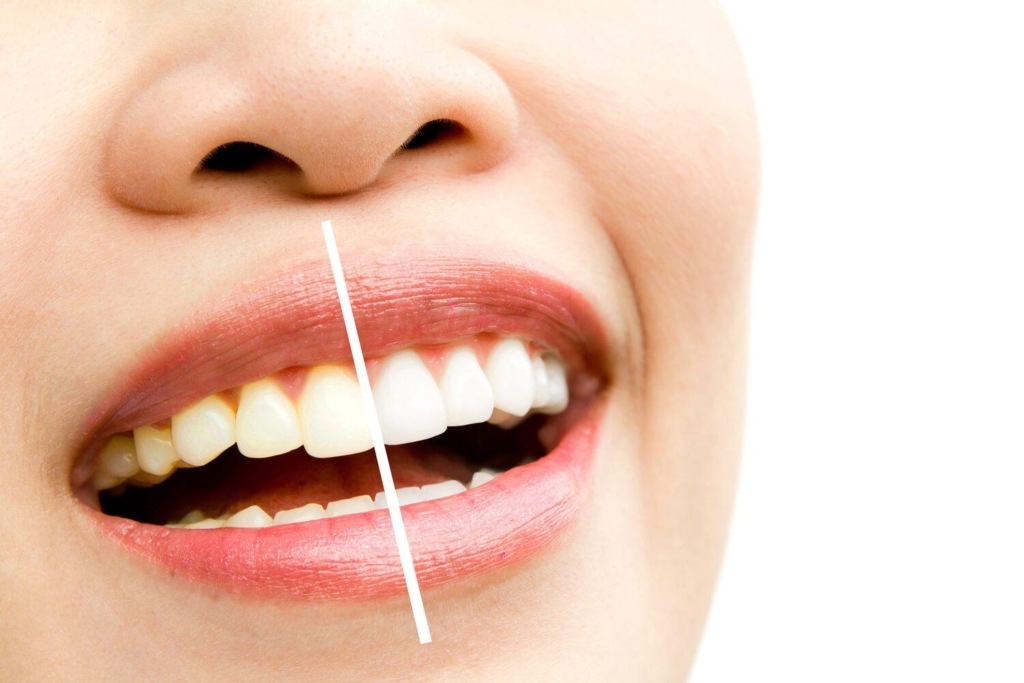
What does gentle care imply for whitening? Older firm treatments have proven their long-term efficacy, but they also left the patient with some form of sensitivity for several days. Gentle care takes care of all this deliberately by using controlled whitening systems that protect enamel and the gums.
Whitening will target the uniquely individualized situations. Generally, there is no one-size-fits-all. The dentists evaluate your oral health, identify the type of discoloration you have and choose the whitening option that will better fit your teeth.
What caused the discoloration of teeth?
Understanding so well the factors affecting the natural color of one’s teeth, one can get the best insight of the gentle but effective need for whitening methods, some of these include:
Commonly drinking beverages like coffee, tea, soda, and wine.
Deep stains from tobacco smoke or use in other kinds.
Changes with age – causing the thinning of enamel over a period.
Changes in color due to some medications especially certain antibiotics.
Poor mouth hygiene invites the seeds of plaque and tartar growth.
The thickness and even color may also depend on one’s genotype.
Because they vary from person to person, the treatment is individualized for the particular problem through a gentle caring whitening plan.
How Others Work
Thus controlled, these procedures differ from the ordinary whitening methodologies that include essentially:
1. Consultation and Evaluation
In this very first visit, your dentist ascertains that the condition of your teeth and gums is such that they would be healthy enough to undergo whitening. Further, any remaining problems like caries, gum problems, or plaque have to be solved before continuing to get the benefits in the results and also to guard against sensitivity.
2. Mapping of Shade
The color of the tooth currently existing is noted by your dentist, who will assist you in setting realistic expectations. Gentle whitening aims for natural enhancement rather than artificial brightness.
3. Protective Shielding
In addition to the whitening gel, a layer of protective shield was also applied to gums and other soft tissues. This is to prevent any irritation and would therefore ensure a dare I say, extra comfortable experience.
4. Low-sensitivity whitening gel.
The whitening agent typically being utilized in the procedure of gentle care is one that is designed to be less aggressive while still effective in breaking down deep stains. It works slowly but surely.
5. Controlled Activation
Some systems use soft LED light activation, while others chemically without light. The key problems are safely whitening without heat, burning, or pain.
Benefits of Gentle Care Whitening
✔ Comfort First
What makes the difference minimal or no sensitivity, in other words, the major advantage minimal or no sensitivity.
✔ Admits Safe Enamel
Gentle formulas protect enamel and prevent any erosion or weakening in the long term.
✔ Results
Came Naturally Seeing that it was never too bright and rigidly uncomfortable, but rather a clean smile, just how it should be.
✔ Tailored to Your Teeth
This treatment has also customized a plan to your condition of enamel, age, and amount of staining since no two mouths are alike.
Gentle Care for Sensitive Patients
Thin- enamel patients, exposed-root patients, and restoration patients can benefit from this treatment.
Keeping Your Smile Whitened
Whitening does not end once the patient sits in the dental chair. These consciously formed habits will go far in applying extensions:
Brush twice daily and floss at least once daily.
Rinse your mouth after consuming coffee, tea, or wine.
Use whitening toothpaste recommended by your dentist.
Regular cleans will take care of superficial stains
Avoid smoking or products containing tobacco.
Have plenty of water to keep the mouth freshly clean and hydrated.
Maintaining bright brilliance can, with appropriate care, last several months and sometimes longer.
Is Gentle Care Whitening Suitable for You?
Gentle whitening is for you if your teeth are sensitive to whitening, you want to have easy sessions with as little fuss or problem as possible, or simply your brightest smile-that nice, healthy look instead of the stark contrived-bleached feel.
Even if the previous experience with whitening was unpleasant or left behind some unevenness, this procedure allows for controlled tolerability at a much greater level. By the time the consultation arrives, your dentist should be sharing some great insights as to how strongly this method may apply to your particular teeth.
Conclusion
Gentle whitening, indeed, describes a kind of treatment that is based on healing the damaged dentin back to its natural state and fortifying it toward comfort and health. This approach is downright human for very human patients-general ones who want a beautiful smile but do not want to go through sensitivity or aggressive treatment. It has kept its promise that every person owns a brighter smile by making use of safe formulas, professional advice and well-personalized support such that each patient really walks out finally with a brighter smile and better thorough dental experience.



Best Children’s Dentist in High Point
Choosing the right pediatric dentist involves more than finding a dental office nearby. The type of dental care your child needs can vary depending on their age, oral health, dental development, and comfort during appointments. Understanding these factors helps parents select appropriate dental services and build healthy oral hygiene habits from an early age. Gentle Care Family Dental, located on Hickswood Road in High Point, provides family dental care for patients seeking support with their children’s oral health. Whether your child needs a routine examination, preventive care, or treatment for a dental concern, understanding the available options can make the decision easier. This guide compares common pediatric dental services and includes a checklist to help parents understand what to discuss during a consultation. Pediatric Dentist Options in High Point: What Determines the Right Choice? The right dental care depends on your child’s age, dental development, oral health condition, and level of comfort during treatment. Type / Option Key Characteristics Best Fit For Routine Pediatric Dental Checkups Includes examinations to monitor tooth development, oral health, and potential dental concerns. Children who need regular dental evaluations. Preventive Dental Care Focuses on professional cleaning, fluoride treatments, and dental sealants when appropriate. Children who need support maintaining healthy teeth and preventing cavities. Children’s Dental Cleaning Removes plaque and buildup that regular brushing may not completely eliminate. Children who need professional cleaning and oral hygiene guidance. Pediatric Cavity Treatment Addresses tooth decay using suitable restorative procedures based on the affected tooth. Children experiencing cavities or other signs of tooth damage. Emergency Pediatric Dental Care Provides evaluation for urgent dental concerns such as tooth injuries, swelling, or significant tooth pain. Children who need prompt attention for unexpected dental problems. A simple way to understand the options: Basic pediatric dental care focuses on examinations, cleaning, and prevention. More comprehensive care may involve restorative procedures or urgent treatment when a specific dental problem requires attention. The dentist should recommend services according to your child’s individual dental needs. Why Do Two Pediatric Dentist Quotes in High Point Look Different? Dental offices may recommend different treatment plans because they do not always include the same services or address the same dental concerns. Comparing the complete scope of care helps parents understand what their child will receive. Common differences include: Treatment bundling: Some appointments combine examinations, professional cleaning, and preventive treatments, while others list each service separately. Complexity levels: A routine dental visit differs from treating cavities, managing tooth injuries, or addressing more involved dental concerns. Follow-up care: Some children may need additional appointments to monitor tooth development, review treatment progress, or maintain oral health. Additional services: Fluoride applications, dental sealants, diagnostic imaging, and restorative procedures may be recommended depending on the child’s condition. Parents should ask which services are included in the recommended treatment plan and whether additional appointments may be necessary. Pediatric Dentist Types in High Point: What Each Option Involves Routine Dental Examinations Routine dental examinations help monitor the development of primary and permanent teeth. They also allow the dentist to identify early signs of cavities, gum concerns, and other oral health problems. This option suits children who need regular dental monitoring and preventive guidance. Preventive Dental Treatments Preventive care includes professional cleaning, fluoride treatments, and dental sealants when clinically appropriate. These services help protect children’s teeth and support good oral hygiene habits. This is particularly useful for children who are developing their brushing and flossing routines. Restorative Dental Care for Children Restorative dental care addresses cavities and damaged teeth using treatments suited to the child’s dental condition. The dentist evaluates the affected tooth and recommends an appropriate procedure to restore its function. This option is suitable for children who need treatment beyond routine cleaning and prevention. Emergency Dental Care Emergency dental care addresses unexpected problems such as dental injuries, swelling, and significant tooth pain. Prompt evaluation helps determine the cause of the problem and the appropriate next steps. Parents should seek timely dental attention when their child experiences an urgent dental concern. The option should fit the case, not be picked like a menu item. A child’s dental development, comfort, and oral health condition should guide every treatment recommendation. Pediatric Dentist Checklist: Included vs Extra Before selecting a dental office, parents should understand which services are generally part of routine care and which may require additional treatment. Often Included Often Extra or Case-Dependent Initial dental consultation Additional diagnostic imaging when required Basic oral health examination Fluoride treatment or dental sealants, depending on the care plan Dental development assessment Cavity treatment or restorative procedures Oral hygiene instructions Follow-up appointments for specific dental concerns One important factor that can change the treatment plan is the child’s stage of dental development. Primary teeth and newly emerging permanent teeth have different care requirements. The dentist may recommend additional preventive or restorative procedures depending on the condition of the teeth and the child’s oral health needs. The Pediatric Dentistry service page at Gentle Care Family Dental should explain when different treatments are recommended and why the key decision factor—your child’s age, dental development, and individual oral health condition—matters when selecting appropriate care. Still Looking for the Best Children’s Dentist in High Point? Contact Gentle Care Family Dental Gentle Care Family Dental, located at 2380 Hickswood Rd, High Point, NC 27265, provides dental care for families seeking support with their children’s oral health. Whether you are searching for a pediatric dentist near me, a kids dentist near me, or a family dentist near me, choosing a dental office that understands children’s dental needs is an important step toward maintaining healthy smiles. Follow these steps when arranging dental care: Consult: Discuss your child’s dental history, concerns, and current oral health needs. Confirm the scope: Understand which examinations, preventive services, or treatments are recommended. Choose the option: Select appropriate dental care based on your child’s age, comfort, and clinical requirements. Get the plan in writing: Confirm the recommended procedures, follow-up appointments, and any additional care. Finding the Best Dental Office in High Point means choosing