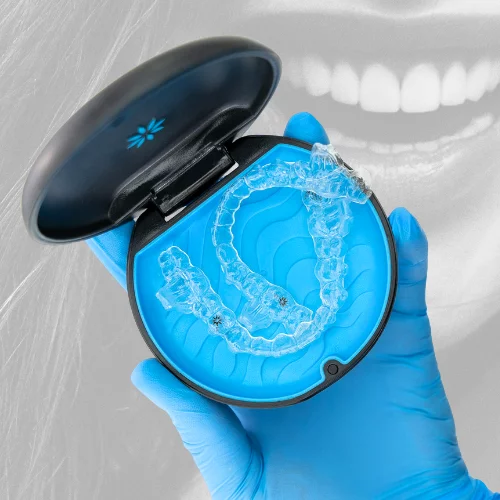
The application of Invisalign in gentle care proponents the more modern approach to orthodontics, where concerns of comfort, aesthetics, and patient experiences merge brilliantly while forming the path to smile better in a soothing way. It is always the ideal hue of thought process still to be attached with traditional braces of metals, long power-packed appointments, and feared discomfort. On the other hand, Invisalign has done an otherworldly transition to the contrary as it offers a virtually invisible, flexible, and convenient alternative. Paired with the patient-centered approach at the Gentle Care dental practices, the whole alignment scenario becomes all that much more inviting, pushing people of all age groups towards a confident smile without inhibitions. One strong reason behind the high preference rate of Invisalign is its emphasis on subtlety. Being almost invisible, the clear aligners merge themselves to the intrinsic appearance of white teeth, serving as a wonderful option for working professionals, teenagers, and in fact, anyone eager to move sorely to straighten out teeth but without being revealed during the process. This salutary quality is in fact garnished elaborately by the Gentle Care specialists who constantly put patients on a calming atmosphere, non-judgmental feelings, and mutual selection mode throughout their treatment. Every number of steps, right from the examination to the delivery, is dealt with patience and clear communication which would ensure that the patient undergoing the treatment will never feel overwhelmed or confused. Another feature setting Invisalign apart in a Gentle Care scenario is its stress on customization, in contrast with traditional braces, which rely on fixed metallic brackets and wires. Invisalign aligners are made unique for each specific patient using digital scans. These scans digitally capture the actual conditions of the patient’s teeth and bite, allowing the team to map out a plan for treatment in accordance with patient-expectations. This technological approach also allows the patient to visualize how their teeth will be moved over the period, thereby igniting excitement and trust well before reallifing the treatment. Gentle Care, simply awes this by having that personal touch of comfort and reassurance into the entire process. Comfort, an operative word for Invisalign, harmonizes well with Gentle Care philosophy. The aligners are smooth, removable, and less painful to wear in comparison with traditional braces. Accordingly, patients may take them off at their convenience and wear them again after a meal, brushing, or a date night. What Gentle Care does within this area is to take more concern in explaining how to wear and clean them to assure that the treatment is efficient and free from troubles. Any little inquiries are taken serious as the interest lies mostly with making sure the patient feels supported till the end. This predictability of treatment with Invisalign is greatly appreciated by patients. Treatment may vary depending on the plan, but every new set of aligners, that triggered the shifting every one or two weeks, softly and slowly guides the teeth nearby to the target position. With the involvement of Gentle Care, every fractional millimetric step is inspected closely and accordingly communicated to the patients so they always know where they are situated and what comes next, and with this information, patients can be sure of how close they are to the desirable result. This becomes a great relief, particularly to patients for whom this is the first orthodontic treatment. While the oral care process will be much easier under Invisalign, this convenience can also be attributed to the ability of removable aligners. Thus, there is less time for plaque to gather, and maintaining a healthy oral environment is all the easier; indeed, taking care of oneself is not forgotten. In fact, the elimination of plaque buildup after meals and before bedtime is very much an advantage under treatment with Invisalign. Invisalign also enables one to be scientifically supported while Gentle Care is endorsed. It supports the smoothest personal advice to patients on how to take care of the aligners and the natural teeth altogether at the same time. The focus might generally be teeth, but that is most viable when long-term oral health is taken into consideration. Another significant highlight is that Invisalign is so rigorous to all degrees of alignment problems-from mild spacing issues to moderate balancing issues-given that each is evaluated thoroughly under the specialists at Gentle Care. Once advised if he or she is a good candidate, Invisalign will actually work with the patient step by step; otherwise, they hardly make the effort to suggest other alternatives. Their honesty and openness thus reflect the values cherished by Gentle Care and trained staff, ensuring that patients are informed in making confident decisions. To borrow from customer service vocabularies, the emotional boost derived from this program of Invisalign and Gentle Care participates equally wondrously in the physical transformation journey. Once patients realize that they are treated with kindness, respect, and an overdose of encouragement throughout their Invisalign therapy, most increase their resolve and adherence to their aligners. Thus, patients form a positive dental aura free of anxiety; the feeling of trust accrues, making the whole transformation journey fun and uplifting, rather than threatening. By the end of the final aligner fabrication, patients having straightened teeth will feel very proud that they have taken an initiative to change further their smile and self-esteem. Indeed, the application of Invisalign in Gentle Care amounts to more of a patient-incubation scenario that merges technology-based treatment with a human touch, gentle handling, individualized design, and emotional healing. Every churn of this journey has been systematically designed with patient welfare in mind thereby rendering the whole procedure gentle, easy, and entertaining above and beyond the ways of traditional orthodontic mechanics. For those who wish for a silent, comfortable, and empathic journey to a better smile, Invisalign in a Gentle Care setting would wonderfully sound the perfect chord between science and sensibility.



Best Children’s Dentist in High Point
Choosing the right pediatric dentist involves more than finding a dental office nearby. The type of dental care your child needs can vary depending on their age, oral health, dental development, and comfort during appointments. Understanding these factors helps parents select appropriate dental services and build healthy oral hygiene habits from an early age. Gentle Care Family Dental, located on Hickswood Road in High Point, provides family dental care for patients seeking support with their children’s oral health. Whether your child needs a routine examination, preventive care, or treatment for a dental concern, understanding the available options can make the decision easier. This guide compares common pediatric dental services and includes a checklist to help parents understand what to discuss during a consultation. Pediatric Dentist Options in High Point: What Determines the Right Choice? The right dental care depends on your child’s age, dental development, oral health condition, and level of comfort during treatment. Type / Option Key Characteristics Best Fit For Routine Pediatric Dental Checkups Includes examinations to monitor tooth development, oral health, and potential dental concerns. Children who need regular dental evaluations. Preventive Dental Care Focuses on professional cleaning, fluoride treatments, and dental sealants when appropriate. Children who need support maintaining healthy teeth and preventing cavities. Children’s Dental Cleaning Removes plaque and buildup that regular brushing may not completely eliminate. Children who need professional cleaning and oral hygiene guidance. Pediatric Cavity Treatment Addresses tooth decay using suitable restorative procedures based on the affected tooth. Children experiencing cavities or other signs of tooth damage. Emergency Pediatric Dental Care Provides evaluation for urgent dental concerns such as tooth injuries, swelling, or significant tooth pain. Children who need prompt attention for unexpected dental problems. A simple way to understand the options: Basic pediatric dental care focuses on examinations, cleaning, and prevention. More comprehensive care may involve restorative procedures or urgent treatment when a specific dental problem requires attention. The dentist should recommend services according to your child’s individual dental needs. Why Do Two Pediatric Dentist Quotes in High Point Look Different? Dental offices may recommend different treatment plans because they do not always include the same services or address the same dental concerns. Comparing the complete scope of care helps parents understand what their child will receive. Common differences include: Treatment bundling: Some appointments combine examinations, professional cleaning, and preventive treatments, while others list each service separately. Complexity levels: A routine dental visit differs from treating cavities, managing tooth injuries, or addressing more involved dental concerns. Follow-up care: Some children may need additional appointments to monitor tooth development, review treatment progress, or maintain oral health. Additional services: Fluoride applications, dental sealants, diagnostic imaging, and restorative procedures may be recommended depending on the child’s condition. Parents should ask which services are included in the recommended treatment plan and whether additional appointments may be necessary. Pediatric Dentist Types in High Point: What Each Option Involves Routine Dental Examinations Routine dental examinations help monitor the development of primary and permanent teeth. They also allow the dentist to identify early signs of cavities, gum concerns, and other oral health problems. This option suits children who need regular dental monitoring and preventive guidance. Preventive Dental Treatments Preventive care includes professional cleaning, fluoride treatments, and dental sealants when clinically appropriate. These services help protect children’s teeth and support good oral hygiene habits. This is particularly useful for children who are developing their brushing and flossing routines. Restorative Dental Care for Children Restorative dental care addresses cavities and damaged teeth using treatments suited to the child’s dental condition. The dentist evaluates the affected tooth and recommends an appropriate procedure to restore its function. This option is suitable for children who need treatment beyond routine cleaning and prevention. Emergency Dental Care Emergency dental care addresses unexpected problems such as dental injuries, swelling, and significant tooth pain. Prompt evaluation helps determine the cause of the problem and the appropriate next steps. Parents should seek timely dental attention when their child experiences an urgent dental concern. The option should fit the case, not be picked like a menu item. A child’s dental development, comfort, and oral health condition should guide every treatment recommendation. Pediatric Dentist Checklist: Included vs Extra Before selecting a dental office, parents should understand which services are generally part of routine care and which may require additional treatment. Often Included Often Extra or Case-Dependent Initial dental consultation Additional diagnostic imaging when required Basic oral health examination Fluoride treatment or dental sealants, depending on the care plan Dental development assessment Cavity treatment or restorative procedures Oral hygiene instructions Follow-up appointments for specific dental concerns One important factor that can change the treatment plan is the child’s stage of dental development. Primary teeth and newly emerging permanent teeth have different care requirements. The dentist may recommend additional preventive or restorative procedures depending on the condition of the teeth and the child’s oral health needs. The Pediatric Dentistry service page at Gentle Care Family Dental should explain when different treatments are recommended and why the key decision factor—your child’s age, dental development, and individual oral health condition—matters when selecting appropriate care. Still Looking for the Best Children’s Dentist in High Point? Contact Gentle Care Family Dental Gentle Care Family Dental, located at 2380 Hickswood Rd, High Point, NC 27265, provides dental care for families seeking support with their children’s oral health. Whether you are searching for a pediatric dentist near me, a kids dentist near me, or a family dentist near me, choosing a dental office that understands children’s dental needs is an important step toward maintaining healthy smiles. Follow these steps when arranging dental care: Consult: Discuss your child’s dental history, concerns, and current oral health needs. Confirm the scope: Understand which examinations, preventive services, or treatments are recommended. Choose the option: Select appropriate dental care based on your child’s age, comfort, and clinical requirements. Get the plan in writing: Confirm the recommended procedures, follow-up appointments, and any additional care. Finding the Best Dental Office in High Point means choosing