


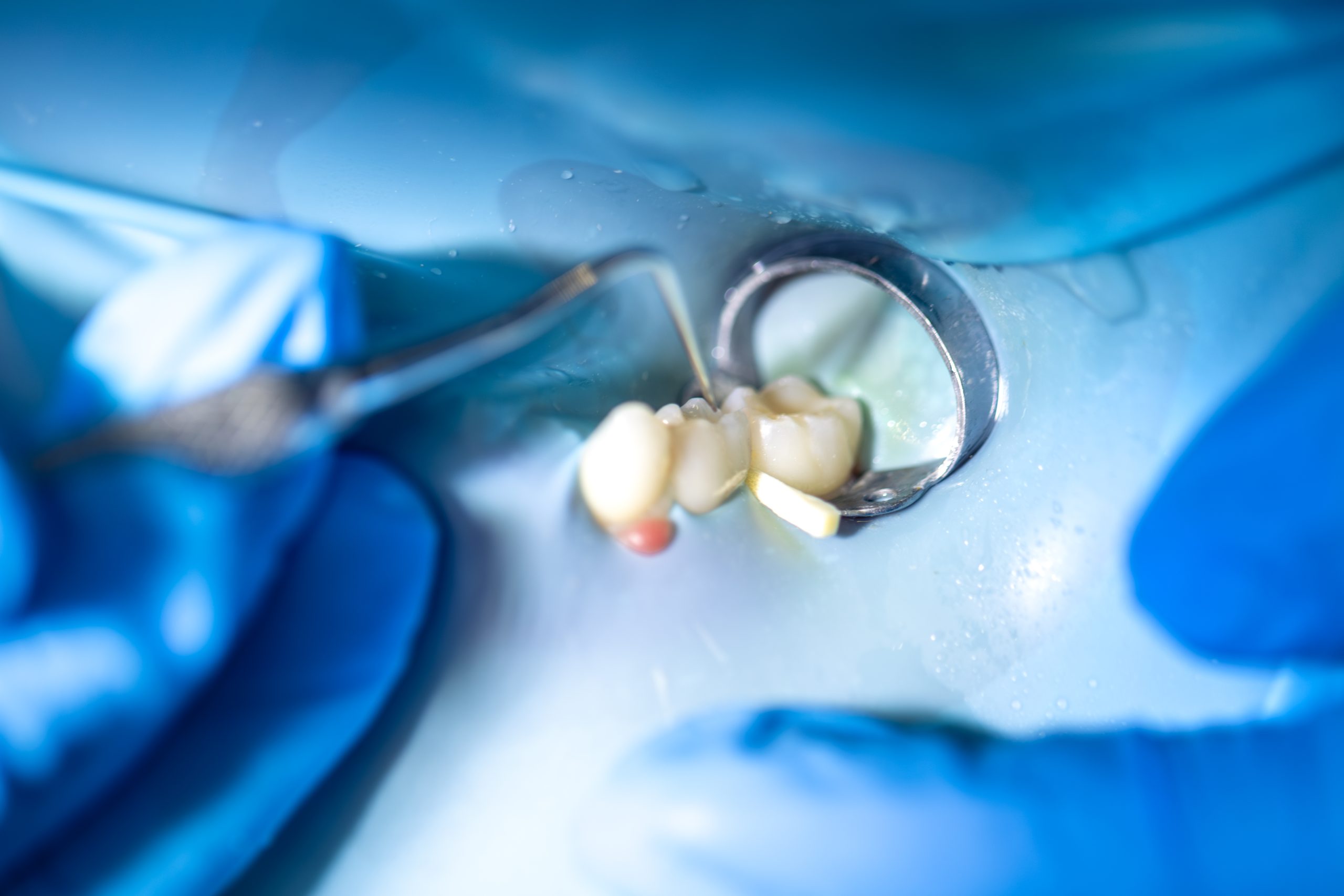
Tooth extraction would appear very intimidating to most people; however, with gentle care and modern techniques, things are so much smoother and more comfortable than one expects. The evolution of dental practice now focuses on discomfort reduction, protection of surrounding tissues, and the patient’s perception of relaxation-in-completed treatment at about all times. In gentle care, extraction is not only a tooth removal process; rather, it is a calm, supporting treatment placing your comfort at first place.
It is common to have an extraction for one of several conditions like advanced decay, tuberculous infection, gum disease, problematic crowded teeth, or wisdom tooth issues. Whatever the cause, the priority is always the same: to carry out the procedure painlessly with consideration for the long term consequences of the oral health system. Before all this begins, the dentist examines your mouth thoroughly, checks the X-rays, and explains the whole thing. Now this part helps you know what is happening and builds confidence, especially if you happen to be a nervous patient about dental treatments.
This application of gentle dentistry also has the benefit of applying cutting-edge anesthetic techniques, which, when further needed, supplement the patient with other sedatives. Such approaches would eventually put you at absolute peace during the procedure. You can imagine what goes on in the mind of a dentist, say, extracting a tooth from a patient with gentle-in-mind techniques. Dentists go way beyond merely taking x-rays and looking inside a person’s mouth. Instead, they take that time to furtheruel your calmness by delivering gradual application of anesthesia to cause less discomfort through comparable minimally invasive techniques, which highly reduce trauma. These help them to preserve most of the bone and gums involved, which helps in easy healing and a lower chance of complications.
Another major factor in gentle tooth extractions would be the focus on anxiety from the patients. Many people avoid getting treatment simply because they fear pain or have had bad experiences in other surgeries. So, this is what gentle care looks at creating a soothing environment and speaking quietly, pacing well to make the patients feel safe. This is what we have called patient first: even those who have high dental anxiety would be treated by that without a stress.
What follows is proper aftercare once the extraction has taken place. You’ll receive easy instructions to use at home, such as applying cold packs to the swelling, refraining from strenuous activity, and taking medications if required. It also insists upon infection prevention and affords soft foods like soups or yogurts during the first day. It separates saltwater rinses after 24 hours to help keep the area clean without disturbing the healing site. All of this helps you to recover and feel comfortable in healing.
Most cases of gentle extraction would prepare the mouth for things like orthodontics or, sometimes, implants or bridges. Removal of a tooth that is infected, damaged, or normal relieves pain and prevents it from becoming a further issue. In actually the extraction via gentle care, you are opting for a really better basis for the overall dentistry experience as concluded.
The process involves gentle dentistry in that the patient-tailored procedure is in place. Your dentist assesses comfort levels, so what to expect is outlined, and a supportive environment created. Keeping it as calm, compassionate, and painless as possible is always the goal. Getting a tooth extracted may sound kind of terrifying; however, when done right, it is just a simple step toward health for the mouth.
Gentle extraction changed people’s minds about a dental treatment; with modern tools, compassionate techniques, and strong focus on a patient comfort, everything in this procedure had become smooth and stress-free. If a tooth is currently troubling you or even if you have future work planned with a dental practitioner, you can be assured that gentle care will ensure your extraction goes as smoothly, comfortable, and tolerantly as possible.