


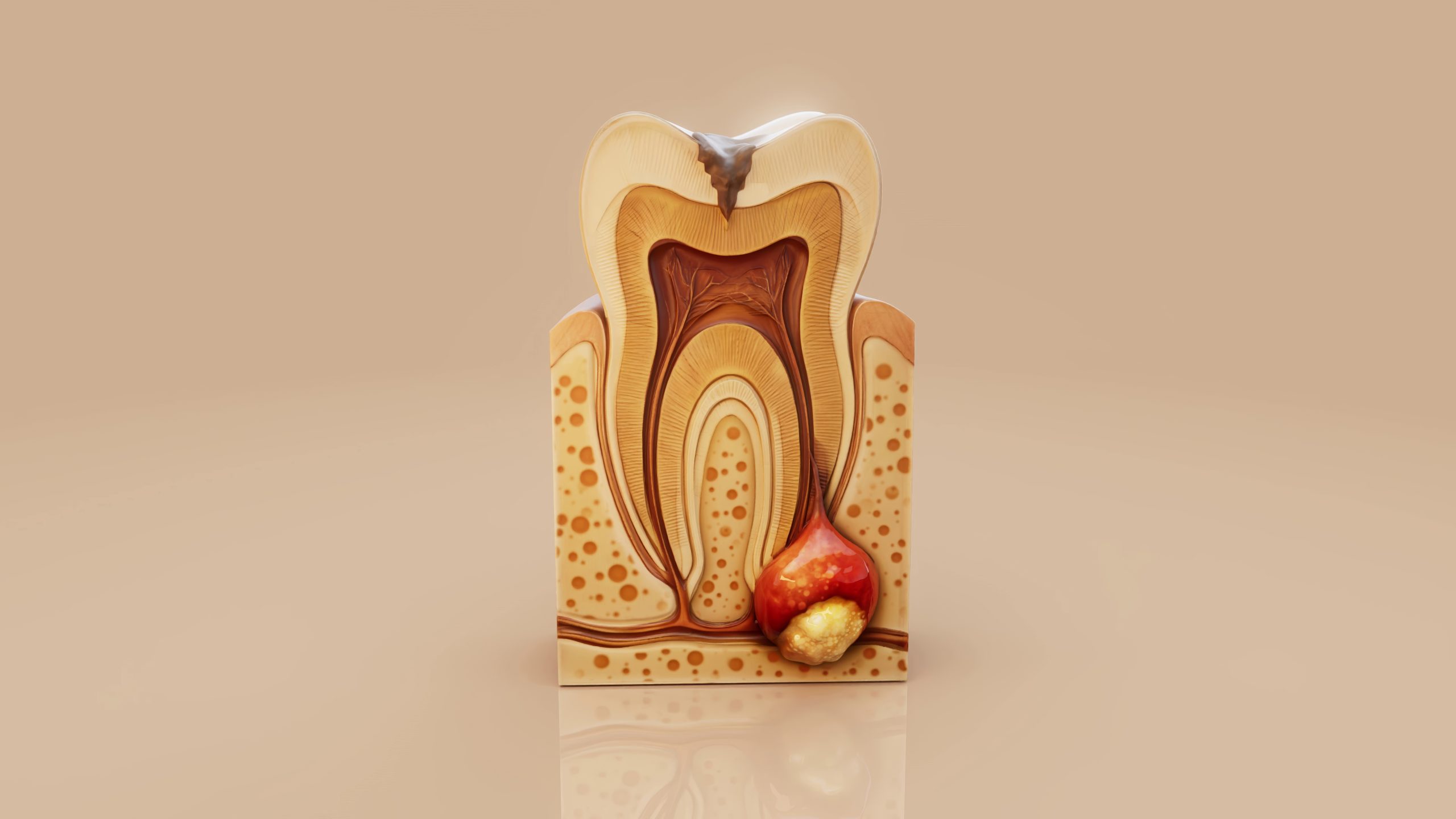
Root canals. Those are words at once conjuring visions of pain, hours spent in a dental chair, and an agonizing recovery that turns everything upside down. But modern dentistry has changed dramatically. Today, root canals in gentle care are designed to protect your natural tooth while keeping you calm, comfortable, and confident throughout the procedure. It’s completely different from what most people expect with excellent techniques, better anesthesia, and a patient-first attitude.
What are root canals for
Although teeth are strong, when the inner pulp becomes infected due to deep decay, untreated cavity, trauma, or injury, a simple filling may not suffice. The infection, if left to spread, can result in increased severity of pain, swelling, and even loss of the tooth. That’s what makes it necessary to have a gentle care root canal done. This does not mean removing the tooth; instead, the dentist removes the infected pulp from the root canal and fills it with an inert material to prevent a further infection from coming in. This means relieving pain and also maintaining the integrity of the tooth structure, which is always better than extracting it out from the mouth.
What is unique about Gentle Care?
The root canal story is now in the past. Today, dental technology is more focused on patient comfort. The clinic provides root canals in gentle care using fewer noises and treatment time and assuring patients that they get relaxed from the start to the finish of the procedure. It’s not so much about fixing the tooth but instead focuses on enhancing the entire experience.
Some features of gentle care include:
Soothing communication throughout the procedure
Pain-free anesthesia
Rotary instruments for precision
Less chair-time
Soft lighting and soothing surroundings
Follow-up support for smooth healing
Patients often complain that gentle care root canals are similar to having an ordinary filling put in.
Root Canal Treatment: The Procedure
Knowing what takes place inside a root canal performed in gentle care lessens anxiety, and the event feels almost routine. This is what usually happens:
1. Diagnosis and Consultation
The dentist does an X-ray examination of the tooth to determine the extent of the infection. This also helps figure out if this is the treatment required by the patient and lays the groundwork for the roadmap regarding gentle, effective care.
2. Local Anesthesia
Modern anesthetics usually make the procedure comfortable. Gentle care root canal patients usually feel mild pressure, but not usually at any point sharp pain.
3. Removing the Infection
The infected pulp is reached through a tiny opening in the tooth. Thorough and comfortable cleaning of the canal is easy with modern rotary tools.
4. Forming and Sealing
The canal is formed, disinfected, and filled with biocompatible material to prevent bacteria from coming back, once the infection has been cleared.
5. Last Restoration
A crown or filling is put in place to enhance the tooth’s strength, thereby providing it with full function and aesthetics.
Benefits of Gentle Care Root Canals
Of root canals in gentle care, attentive benefits include but are not limited to: Instilling confidence in patients” Difference in perspective:
Pain Alleviation
By killing the pain-producing area, immediate relief is provided. Within a few days, most patients experience easing of the symptoms.
Holds on the Tooth
Better performance of a natural tooth than any of its substitutes is, in general, when it cherishes one’s own. Gentle care is all about caring for what is already within you.
Pleasant Experience
Less noise, smoother instruments, patient communication-all of these have made the process stress-free.
Effective Treatment
Most gentle care root canals are completed in between one and two visits depending on the tooth.
Quick Recovery
Patients recover quickly and with little discomfort since we eliminate infection and traumatize as little tissue as is necessary to gain access to the canal during root canal therapy.
Aftercare Tips to Speed Recovery
Once you have had your gentle care root canal, it is important to look after your tooth properly to speed up the healing process. Besides the above, your dentist will probably recommend that you:
Avoid chewing hard foods on the treated side for a couple of days
Maintain regular brushing and flossing
Use over-the-counter pain relievers if mild soreness appears
Schedule follow-up appointments if your dentist advises
Most patients heal without complications and can expect the tooth to last many years.
Why Gentle Care Dentistry Is Important
Dental anxiety does exist, and many individuals delay going for therapy out of fright. However, postponing the root canal does not lessen the severity of infection or the pain of discomfort. Such clinics perform the task of breaking this chain by putting trust, communication, and comfort as their primary focus.
Gentle care dentistry is not just a technique, but an attitude. Gentle care dentistry is understanding the concerns of the patient, discussing what you are doing along each step in great detail, and never actually making those procedures seem menacing or overly difficult. It turns out that failing to see a caring practice will probably make patients have that tendency to deprive themselves of regular protection against threats to their oral health.
The Healthier Smile Starts with Getting the Right Approach
Old myths about pain kept you from taking treatment. But, with gentle care root canals today, everything changes. It has become easier than ever to save your natural tooth with its advanced instruments and soothing mechanisms. So get root canals in gentle care because your smile will stay healthy that way-without headaches from unnecessary stress brought about by ongoing toothache, extreme sensitivity, or a deep cavity.
Your comfort matters today: with the right care, a root canal becomes a mere step toward long-term health in dentation and brings relief.