


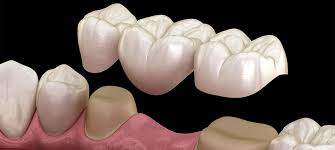
When someone loses a tooth, the first feeling that often appears is uncertainty—about the way they look, the way they speak, or even the comfort they feel while chewing. Modern dentistry has evolved beautifully to address these concerns, and among the most reliable solutions is the use of dental bridges. What makes today’s approach even more reassuring is the emphasis on gentle, patient-focused care that transforms the entire experience from clinical to comforting.
Bridges are crafted to fill the space created by missing teeth, restoring a natural appearance and preserving the balance of the mouth. While they have existed for decades, the method of placing them has become significantly more refined. The goal is no longer just functionality—it is to offer treatment that respects comfort, emotional ease, and long-term oral health.
Why Bridges Matter More Than You Think
Missing teeth can gradually influence much more than appearance. When a gap is left unattended, the surrounding teeth may begin drifting from their original position, which can change bite alignment. This subtle shifting can eventually lead to jaw discomfort or uneven wear on the remaining teeth. Bridges resolve these issues by offering structural support that keeps teeth properly aligned.
Beyond mechanics, however, there’s an emotional element. Many individuals feel self-conscious when smiling or speaking after losing a tooth. Restoring that sense of confidence is just as important as restoring function. A well-designed bridge blends so seamlessly with natural teeth that it becomes a quiet boost to self-esteem.
The Gentle Care Difference
What sets gentle care dentistry apart is the approach. Instead of focusing only on the technical procedure, practitioners prioritize the patient’s comfort at every step. This includes thoroughly explaining the process, using minimally invasive methods, and creating an atmosphere where patients feel calm and understood.
Gentle care also involves thoughtful planning. Each bridge is customized to match the shape, color, and contour of the patient’s natural teeth. This attention to detail ensures that the final result feels comfortable and looks authentic. Patients often describe the experience as surprisingly smooth—proof that dental treatments don’t have to be intimidating.
How the Treatment Works
The process begins with a detailed examination, where the dentist assesses the gap and the health of the surrounding teeth. After this, impressions are taken to build a bridge that fits the mouth perfectly. Temporary restorations are usually placed so the patient never feels incomplete during the waiting period.
Once the final bridge is ready, it is carefully positioned and adjusted for a flawless fit. Each step is taken with precision and gentleness to ensure the patient feels relaxed. The focus is not just on attaching a prosthetic—it is on harmonizing it with the patient’s natural bite and smile.
Comfort That Extends Beyond the Procedure
A gentle care approach also extends into the recovery phase. Since modern bridge treatments are minimally invasive, most people experience very little discomfort. Dentists guide patients on how to care for their new restoration, offering support that continues well beyond the clinic visit.
Regular cleaning and routine checkups help the bridge last long while keeping the surrounding teeth strong. With proper care, a bridge can serve beautifully for many years, restoring both function and confidence.
A Solution That Feels Natural in Every Way
The best compliment a bridge can receive is when no one notices it’s there. Today’s materials allow for lifelike transparency and shading, making them nearly indistinguishable from real teeth. Combined with gentle techniques, the result is a smile that feels effortless.
For people hesitant about dental treatments, this modern, compassionate approach is transformative. It turns what could be a stressful situation into a positive experience marked by reassurance, clarity, and excellent results.
Embracing a Healthier Smile
Choosing a bridge is ultimately an investment in long-term oral health. It prevents misalignment, maintains facial structure, and restores the ease of daily functions. Most importantly, it allows people to smile without hesitation again.
Gentle care ensures that every step—from consultation to placement—feels supportive and patient-centered. It’s a reminder that dental treatment doesn’t have to be rushed or overwhelming. Instead, it can be a calm, guided journey toward a more confident smile.