


A persistent toothache, sensitivity to hot or cold foods, or swelling around a tooth can be more than a temporary dental problem. These symptoms may indicate an infection or inflammation inside the tooth that requires professional treatment. Root canal treatment in High Point, NC can help remove infection, relieve discomfort, and preserve your natural tooth.
At Gentle Care Family Dental, patients can receive root canal care designed around comfort, effective treatment, and long-term oral health. The practice is located in High Point, North Carolina, and provides a range of family and restorative dental services.
What Is Root Canal Treatment?
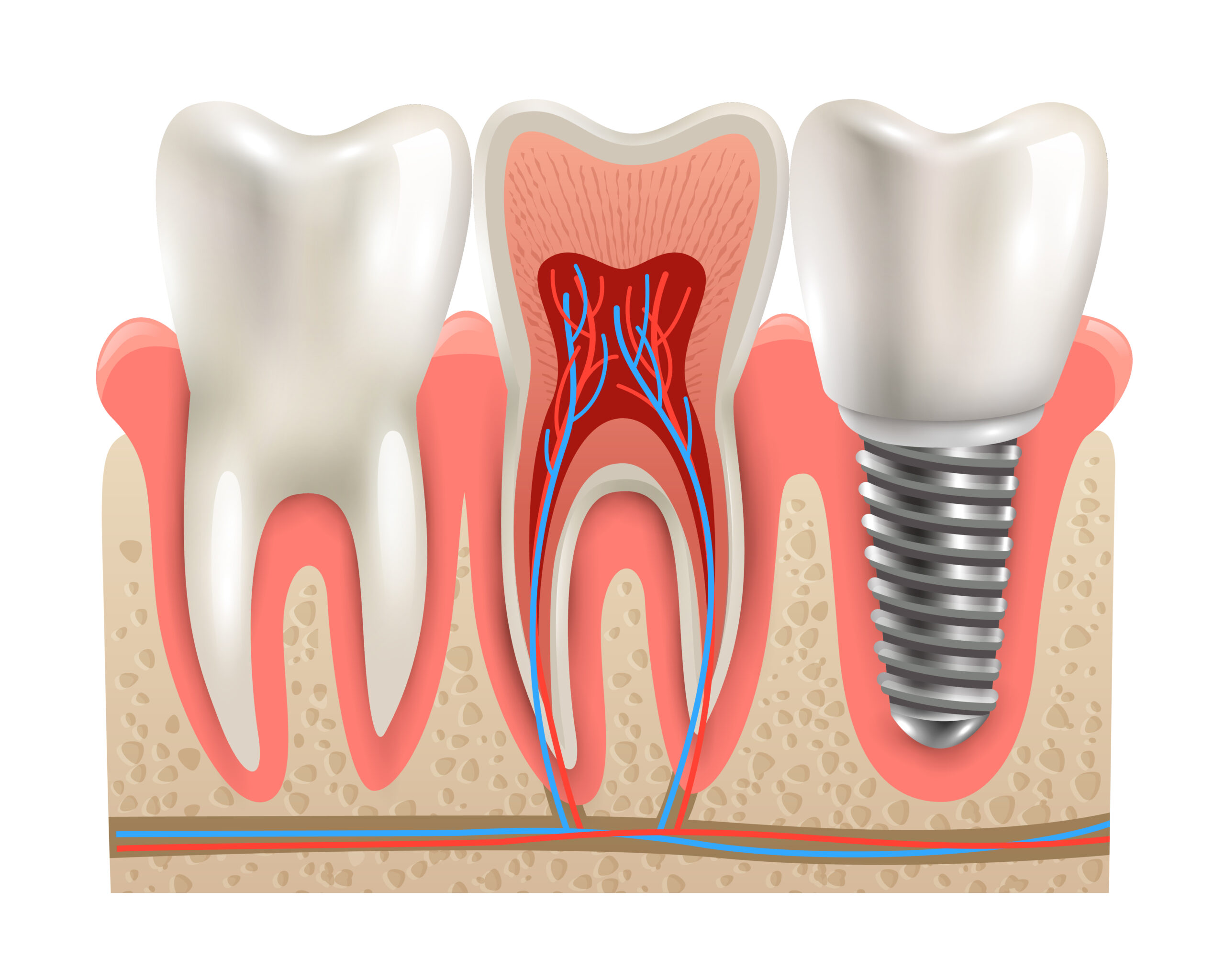
A root canal is a dental procedure used to treat infection or inflammation affecting the pulp, the soft tissue located inside a tooth. Deep tooth decay, cracks, trauma, or repeated dental procedures can damage the pulp and allow bacteria to enter.
If the infection is not treated, it can potentially progress and cause an abscess, swelling, or damage to surrounding tissues.
During root canal treatment, the dentist removes the infected or damaged pulp, carefully cleans and disinfects the inside of the tooth, and seals the treated area. This allows the natural tooth to remain in place and continue functioning.
What Are the Signs You May Need a Root Canal?
Not every toothache requires a root canal. However, certain symptoms can indicate that the inner portion of a tooth may be infected or significantly damaged.
Common warning signs include:
- Persistent or severe tooth pain
- Pain when biting or chewing
- Long-lasting sensitivity to hot or cold
- Swollen or tender gums
- A recurring bump or pimple on the gums
- Tooth discoloration
- A cracked or damaged tooth
- Pain that interferes with sleep or daily activities
Some dental infections may not cause severe pain at first. That is why a dental examination is important when symptoms continue or change.
Why Might You Need Root Canal Treatment in High Point, NC?
A root canal may be recommended when the pulp inside a tooth becomes infected or severely inflamed. Common causes include:
Deep Tooth Decay
When a cavity progresses deeply into a tooth, bacteria can eventually reach the pulp. If the pulp becomes infected, root canal therapy may be necessary to save the tooth.
Cracked or Damaged Teeth
A crack can allow bacteria to reach the inner portion of the tooth. Depending on the extent of the damage, root canal treatment may help preserve the tooth.
Dental Trauma
An injury to the mouth can damage the pulp even when the outside of the tooth appears relatively normal.
Repeated Dental Procedures
A tooth that has undergone multiple restorative procedures may become vulnerable to pulp irritation or damage.
How Does a Root Canal Work?
Although the exact treatment plan varies depending on the tooth and severity of infection, root canal therapy generally involves several important steps.
1. Examination and Diagnosis
Your dentist first evaluates the tooth and symptoms. Dental imaging may be used to understand the condition of the tooth and surrounding structures.
2. Numbing the Area
Local anesthesia is used to make the treatment area comfortable before the procedure begins.
3. Removing the Infected Pulp
The dentist creates a small opening in the tooth and carefully removes infected or damaged pulp tissue.
4. Cleaning and Disinfecting
The internal canals are cleaned and disinfected to remove bacteria and affected tissue.
5. Sealing the Tooth
After cleaning, the canals are filled and sealed to help prevent bacteria from entering again.
6. Restoring the Tooth
Depending on the condition of the tooth, a permanent restoration such as a dental crown may be recommended to restore strength and function.
Is Root Canal Treatment Painful?
One of the biggest concerns people have about root canals is pain. Modern dental techniques and local anesthesia are designed to make the procedure comfortable.
In fact, treating the underlying infection can help relieve the tooth pain that caused you to seek dental care in the first place. Some tenderness or sensitivity may occur after treatment, but your dentist can provide appropriate aftercare instructions.
If dental anxiety is a concern, tell your dental team before treatment. Understanding what will happen during the appointment can make the experience easier.
Root Canal vs. Tooth Extraction: Which Is Better?
When a tooth is badly infected, patients may wonder whether extraction is easier than root canal treatment.
When the tooth can be predictably saved, preserving the natural tooth is often beneficial. A root canal allows the dentist to remove the infection while keeping the natural tooth in place.
Extraction removes the tooth completely and may create a need for replacement with an implant, bridge, or another restorative option.
Your dentist can evaluate the tooth and explain whether root canal treatment or tooth extraction is the more appropriate choice for your specific situation.
Benefits of Root Canal Treatment
Choosing root canal therapy when appropriate can provide several benefits:
- Preserves your natural tooth: Keeping your original tooth can help maintain normal chewing function.
- Treats the source of infection: Removing infected pulp addresses the problem inside the tooth.
- Helps relieve tooth pain: Treating the underlying infection can reduce discomfort.
- Maintains your smile: Saving the tooth can help avoid an immediate gap in your smile.
- Supports normal oral function: A properly restored tooth can continue to function normally.
What Should You Do After a Root Canal?
Following your dentist’s instructions is important for protecting the treated tooth.
After treatment:
- Avoid chewing hard foods on the treated tooth until your dentist says it is safe.
- Maintain normal brushing and flossing unless your dentist advises otherwise.
- Follow any medication or care instructions provided.
- Attend your recommended follow-up appointment.
- Complete any recommended permanent restoration, such as a crown.
- Contact your dentist if you experience significant swelling, severe pain, or other concerning symptoms.
How Can You Prevent the Need for a Root Canal?
Not every root canal is preventable, but good oral hygiene can reduce the risk of tooth decay and other problems that may eventually affect the pulp.
Helpful habits include:
- Brush your teeth twice daily with fluoride toothpaste.
- Floss or clean between your teeth every day.
- Schedule regular dental examinations and professional cleanings.
- Limit frequent consumption of sugary foods and drinks.
- Wear a mouthguard during appropriate sports activities.
- Do not ignore persistent tooth pain or sensitivity.
- Seek dental care promptly after an injury to a tooth.
When Should You See a Dentist?
If you have persistent tooth pain, swelling, sensitivity, or discomfort when chewing, it is a good idea to schedule a dental evaluation rather than waiting for the symptoms to disappear.
A dental infection can sometimes progress even when symptoms temporarily improve. Early evaluation allows your dentist to determine the cause and recommend the appropriate treatment.
If you are searching online for “root canal near me,” “root canal dentist in High Point NC,” or “painless root canal High Point,” choosing a dental practice that focuses on comfortable, comprehensive care can help you address the problem promptly.
Why Choose Gentle Care Family Dental for Root Canal Treatment in High Point?
Gentle Care Family Dental provides dental care for patients in High Point and surrounding communities. Its published services include root canals, preventive dentistry, restorative care, and other family dental treatments.
If you are experiencing tooth pain or have been told that you may need root canal therapy, the team can evaluate your tooth and help determine the next step.
Visit Gentle Care Family Dental to learn more about root canal treatment:
Gentle Care Family Dental – Root Canal Treatment
1. What is a root canal?
A root canal removes infected pulp, cleans the tooth, and seals it to preserve your natural tooth. Gentle Care Family Dental provides root canal treatment in High Point, NC.
2. How do I know if I need a root canal?
Persistent tooth pain, sensitivity, swelling, or pain while chewing may indicate a root canal is needed. Gentle Care Family Dental can evaluate your symptoms.
3. Is a root canal painful?
Root canal treatment is performed with local anesthesia for comfort. Gentle Care Family Dental focuses on making your treatment experience as comfortable as possible.
4. Can a root canal save my natural tooth?
Yes, when the tooth can be restored, a root canal can help save it. Gentle Care Family Dental can recommend the right treatment for your tooth.
5. How long does root canal treatment take?
Treatment time varies by case and tooth. Gentle Care Family Dental will explain the expected treatment time after evaluating your dental needs.