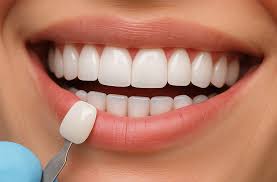
Believe it or not, a smile can create an excellent first impression, evoke confidence, and speak objectively about general wellness in an individual. Unfortunately, not everyone could feel safe in showing off their teeth, considering nagging fears of discoloration, gaps, chips, or simply poor shaping. Right here kick in dental veneers; modern dentistry’s strongest cosmetic revolution. Gentle-Care-like practices focus not merely on aesthetics but on comfort, understanding, and patient-first care.
What Are Dental Veneers?
They are thin, custom-made shells placed over the front surfaces of your teeth to improve their aesthetic appearance. Thus, changes regarding color, shape, size, or alignment of your teeth are customizable. They actually bring such a dramatic alteration of the look, yet, the phrase is to be underlined to realize how aesthetic and richly individual it is to each of them. There are two basic choices of materials used to create veneers:
Porcelain, which is stronger, more stain resistant, and almost as translucent as natural enamel;
Why is it DentaCare Clinics?
People still have reservations about cosmetic procedures, wondering about the pain endured and the outcome of the procedure. Gentle Care clinics provide what is needed as far as relaxation is concerned: high-tech and patient-centric.
What Makes Gentle Care Different:
1. Minimally Invasive Treatment
Considering the assumption that a small portion of enamel is to be removed from a tooth in order to fit a veneer over it, this procedure has become as minimally invasive as it can be in a Gentle-Care-focused environment through the use of precision instruments, careful planning, and light touch. In some patients, the state of their tooth structure leaves some candidates for no-prep veneers.
2. Comfort through All Stages
Gentle Care intends to make patients most comfortable during the whole experience-from the administration of local anesthesia through scanning and impression-taking without discomfort. A huge number of Gentle Care clinics have now completely let go of the traditional impression mold thanks to digital scanners.
3. Natural Cosmetic Results
The objective is to fabricate veneers that do not seem fake because either they are too shiny or do not sit so flat. The dentist creates veneers that will enhance features instead of obscuring them by understanding skin tone, lip shape, facial proportions, and the personal aesthetic style of the patient.
4. Process Authenticity; Advice Genuineness
The hallmark of Gentle Care dentistry is informed consent. That means that prior to getting veneers, several information sessions about expectations, limitations, shade selection, tooth preparation, and maintenance needs will be done with the patient. No surprises will be coming; all clear and empowering.
What Problems Can Veneers Fix?
They solve a plurality of problems and are therefore one of the most flexible cosmetic solutions. Best immediate effect for:
Stubborn stains that are not removed by the whitening process
Chipped, worn, or broken teeth
Mildly crooked or uneven teeth
Gaps between teeth
Teeth too small or irregularly shaped
A complete smile makeover or just one tooth-a modification of symmetry and balance.
Process of Gentle Care for the Veneers
Essentially, the whole process for veneers takes place in two pulses as time is given to both ease and accuracy.
1. Consultation & Smile Assessment
The dentist will evaluate your smile and concerns, take some diagnostic imaging, and together they will decide whether veneers would be the right treatment for the smile you’re after.
2. Digital Designs & Previews
Some clinics make it possible to create a virtual preview of the new smile of the patient, therefore giving him the chance to see his new teeth well before all the action takes place-increasing confidence that the course of action will go as expected and all will be well.
3. Tooth Preparation
An extent of thin enamel removal will be made for the placement of veneers. Until the final one is ready, temporary veneers will be used to cover the teeth.
4. Bonding the Veneers
After the custom veneers have passed a color, fit, and comfort check, the dentist uses a strong adhesive to bond them to the teeth, securing them for long-term stability.
5. Fine Tuning and Aftercare Instructions
Aesthetic and bite fine tuning is done, and the patient will then be given aftercare instructions to ensure their long-term maintenance.
How Long Do Veneers Last?
Porcelain veneers usually last between 10 to 15 years, or even longer, under ideal care. Composite veneers last about 5 to 7 years, and their lifespan will also depend on:
Good oral hygiene
Wearing things between the teeth and other multiple bad habits
Going for routine dental check-ups
Using a night guard if grinding is an issue
Caring for Gentleness Accordingly with Veneers
Although they are strong, veneers deserve much more care than that. Gentle Care dentists ensure their patients are well-informed regarding:
Use of a very soft toothbrush.
Use of less abrasive toothpaste.
Avoid very hard foods on the front teeth.
Continually get professional cleaning of teeth.
Above all, veneers are treated with just the same consideration and care that would be given to natural teeth.
Begin in Comfort: A SmiLe of Confidence
The change dental veneers can make in the appearance of a person, as well as the rise in self-esteem, is definitely something else. But what makes the real difference is the transformation experience: how the patient feels supported, understood, and cared for during the entire journey.
Gentle Care Dentistry Smoothing the Path toward a Beautiful Smile
Calm, intimate, but empowering.It would just take a right touch with the skill to usher treatment in from what would have only been an adjunct to full confidence to complementary acceptance into an integrated life.



Best Children’s Dentist in High Point
Choosing the right pediatric dentist involves more than finding a dental office nearby. The type of dental care your child needs can vary depending on their age, oral health, dental development, and comfort during appointments. Understanding these factors helps parents select appropriate dental services and build healthy oral hygiene habits from an early age. Gentle Care Family Dental, located on Hickswood Road in High Point, provides family dental care for patients seeking support with their children’s oral health. Whether your child needs a routine examination, preventive care, or treatment for a dental concern, understanding the available options can make the decision easier. This guide compares common pediatric dental services and includes a checklist to help parents understand what to discuss during a consultation. Pediatric Dentist Options in High Point: What Determines the Right Choice? The right dental care depends on your child’s age, dental development, oral health condition, and level of comfort during treatment. Type / Option Key Characteristics Best Fit For Routine Pediatric Dental Checkups Includes examinations to monitor tooth development, oral health, and potential dental concerns. Children who need regular dental evaluations. Preventive Dental Care Focuses on professional cleaning, fluoride treatments, and dental sealants when appropriate. Children who need support maintaining healthy teeth and preventing cavities. Children’s Dental Cleaning Removes plaque and buildup that regular brushing may not completely eliminate. Children who need professional cleaning and oral hygiene guidance. Pediatric Cavity Treatment Addresses tooth decay using suitable restorative procedures based on the affected tooth. Children experiencing cavities or other signs of tooth damage. Emergency Pediatric Dental Care Provides evaluation for urgent dental concerns such as tooth injuries, swelling, or significant tooth pain. Children who need prompt attention for unexpected dental problems. A simple way to understand the options: Basic pediatric dental care focuses on examinations, cleaning, and prevention. More comprehensive care may involve restorative procedures or urgent treatment when a specific dental problem requires attention. The dentist should recommend services according to your child’s individual dental needs. Why Do Two Pediatric Dentist Quotes in High Point Look Different? Dental offices may recommend different treatment plans because they do not always include the same services or address the same dental concerns. Comparing the complete scope of care helps parents understand what their child will receive. Common differences include: Treatment bundling: Some appointments combine examinations, professional cleaning, and preventive treatments, while others list each service separately. Complexity levels: A routine dental visit differs from treating cavities, managing tooth injuries, or addressing more involved dental concerns. Follow-up care: Some children may need additional appointments to monitor tooth development, review treatment progress, or maintain oral health. Additional services: Fluoride applications, dental sealants, diagnostic imaging, and restorative procedures may be recommended depending on the child’s condition. Parents should ask which services are included in the recommended treatment plan and whether additional appointments may be necessary. Pediatric Dentist Types in High Point: What Each Option Involves Routine Dental Examinations Routine dental examinations help monitor the development of primary and permanent teeth. They also allow the dentist to identify early signs of cavities, gum concerns, and other oral health problems. This option suits children who need regular dental monitoring and preventive guidance. Preventive Dental Treatments Preventive care includes professional cleaning, fluoride treatments, and dental sealants when clinically appropriate. These services help protect children’s teeth and support good oral hygiene habits. This is particularly useful for children who are developing their brushing and flossing routines. Restorative Dental Care for Children Restorative dental care addresses cavities and damaged teeth using treatments suited to the child’s dental condition. The dentist evaluates the affected tooth and recommends an appropriate procedure to restore its function. This option is suitable for children who need treatment beyond routine cleaning and prevention. Emergency Dental Care Emergency dental care addresses unexpected problems such as dental injuries, swelling, and significant tooth pain. Prompt evaluation helps determine the cause of the problem and the appropriate next steps. Parents should seek timely dental attention when their child experiences an urgent dental concern. The option should fit the case, not be picked like a menu item. A child’s dental development, comfort, and oral health condition should guide every treatment recommendation. Pediatric Dentist Checklist: Included vs Extra Before selecting a dental office, parents should understand which services are generally part of routine care and which may require additional treatment. Often Included Often Extra or Case-Dependent Initial dental consultation Additional diagnostic imaging when required Basic oral health examination Fluoride treatment or dental sealants, depending on the care plan Dental development assessment Cavity treatment or restorative procedures Oral hygiene instructions Follow-up appointments for specific dental concerns One important factor that can change the treatment plan is the child’s stage of dental development. Primary teeth and newly emerging permanent teeth have different care requirements. The dentist may recommend additional preventive or restorative procedures depending on the condition of the teeth and the child’s oral health needs. The Pediatric Dentistry service page at Gentle Care Family Dental should explain when different treatments are recommended and why the key decision factor—your child’s age, dental development, and individual oral health condition—matters when selecting appropriate care. Still Looking for the Best Children’s Dentist in High Point? Contact Gentle Care Family Dental Gentle Care Family Dental, located at 2380 Hickswood Rd, High Point, NC 27265, provides dental care for families seeking support with their children’s oral health. Whether you are searching for a pediatric dentist near me, a kids dentist near me, or a family dentist near me, choosing a dental office that understands children’s dental needs is an important step toward maintaining healthy smiles. Follow these steps when arranging dental care: Consult: Discuss your child’s dental history, concerns, and current oral health needs. Confirm the scope: Understand which examinations, preventive services, or treatments are recommended. Choose the option: Select appropriate dental care based on your child’s age, comfort, and clinical requirements. Get the plan in writing: Confirm the recommended procedures, follow-up appointments, and any additional care. Finding the Best Dental Office in High Point means choosing