
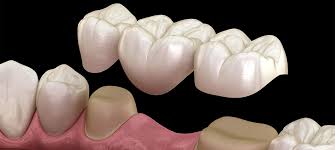
Dental bridges, one of the most reliable substitutes for one or more missing teeth, can make the experience more relaxed, more tranquil, and more comfortable when treatment is by means of a gentle-care approach. Gentle care means just keeping the focus on minimal discomfort, clear communication, patient-centered steps, and anxiety-reducing methods at treatment. Just this method is able to help those people who get nervous about visiting dentists, the sensitive ones, or anyone who prefers a smoother experience through treatment.
A dental bridge takes the place of one or more missing teeth; it uses surrounding teeth to support it and holds an artificial tooth in the empty space. The simple aims are the restoration of function, providing a natural appearance, and keeping the mouth free of decay. Gentle care would mean that the required work using the bridge is handled carefully and with consideration so as not to give the patient unnecessary anxiety.
What a Bridge Actually Does
The chewing, speaking, and bite-balance functions are maintained along with restoring lost teeth. Over a period, missing teeth create so many problems like shifting of adjacent teeth, change of bite, gum issues, and difficulty while having meals. Filling in the gap prevents all of these destitute ones-to-overhead. And that alone benefits an overall appearance of the smile, hence boosting one’s self-confidence. It’s a solid fact that since bridges are fixated and not removable, they feel much more stable than many temporary measures.
A gentle-care approach means that the whole process is done at a pace that is leisurely and where the dentist will involve the patient by fully understanding what the concerns, the pain sensitivity levels and comfort levels of that patient really are. This is in itself a comforting situation for those non-dentist-goers for quite some time or those worried about visiting the dentist.
Types of Bridges Used in Gentle Care Dentistry
The appropriate type of bridges recommended for gentle care dentistry is dependent on the condition of the patient. Some of the most common available options are:
Traditional Bridge:
It comprises crowns on both the teeth on either side of the gap. Strong, durable, and one recommended option for the most part when the remaining teeth can support it without undergoing severe rework.
Cantilever Bridge:
Operative when only one side of the gap, caused by a missing tooth, has a supporting tooth. This option is chosen with caution because it applies force onto the supporting tooth.
Maryland Bridge:
This option uses a metal or ceramic framework bonded behind a patient’s nearby teeth; thus, it conservatively lives up to its name because there is less filing done to the supporting teeth.
Implant-Supported Bridge:
In such a case, the bridge does not use the normal teeth but adopts the method of using implants to support the bridge. This proves to be a longer-term solution and works well when several missing teeth are present.
A gentle-care dentist tends to explain such alternatives in more detail and illustrates such options to the patient to help him select what is most appropriate for the specific oral condition and for any expectations one might have regarding comfort level.
How Bridges Are Done in a Gentle-Care Process
Reduce discomfort at every step in a gentle-care approach. The usual process entails:
1. Consultation and Evaluation
In this initial phase, the dentist will examine the patient’s mouth, view the gap areas, check the teeth available for support, and discuss the patient’s wishes. If required, x-rays or scans will be taken, and every detail should be made clear to the patient without any signs of confusion.
2. Tooth Preparation
Traditional bridges, however, shape the supporting teeth to hold the crowns, with local anesthesia numb for the area, and the dentist slowly works to avoid causing unnecessary discomfort. Co-validation of the patient’s comfort repeated and instruments and methods that lessen sensitivity are part of gentle-care techniques.
3. Impressions and Temporary Bridge
For recording mouth impressions for the final bridge, a temporary bridge is placed for cover on the prepared teeth and aesthetics. This state is meant to provide patients with a feeling of safety and comfort while waiting for their natural-look bridges.
4. Approximating the Final Bridge
Now the dentist checks the bridge hit, looks at the bite, and goes for alignment. Thus, the bridge fit will have to be adjusted until it’s just right for feeling as if it were meant to be there. Gentle care does not only ensure that the patient never finds themselves in a hurry but also makes them feel free to ask questions or request more tweaks.
5. Final Placement
The bridge is cemented securely. Again the bite is checked, and the dentist proceeds to provide easy-to-follow aftercare guidance.
Benefits of Bridges Under Gentle Care
Restores chewers to grain of comfort as before
Improves Smile
Maintains face shape
Prevent shifting of adjacent teeth
Secure and fixed replacement
Faster results than implants
Provides a calm, low-stress environment
Patients appreciate the gentle-care method because it respects individual comfort and emotional needs, making dental treatment seem easier and more approachable.
Care for a Bridge after it will Be Placed:
Proper care prolongs durability. Brushing twice daily, flossing, cleaning around the bridge, and scheduling regular dental checkups help maintain the restoration. Gentle cleaning techniques along with sound care keep the gums healthy and free from irritation. The best dental cleaning devices and techniques will be learned from the dentist.
Final Words:
Gentle Dentistry Treatment with Effective Bridges Holding Teeth Replacement Works with Care First. The Treatment has Great Facility to Deliver a Stable yet Natural-Looking Solution while Minimizing Patient Discomfort throughout the Procedure. This Form of Care Holds to Long-Term Oral Health and Confidence as Well as Peace of Mind, Making the Dental Restoration Smooth and Assured for Anyone Missing Teeth.



Best Children’s Dentist in High Point
Choosing the right pediatric dentist involves more than finding a dental office nearby. The type of dental care your child needs can vary depending on their age, oral health, dental development, and comfort during appointments. Understanding these factors helps parents select appropriate dental services and build healthy oral hygiene habits from an early age. Gentle Care Family Dental, located on Hickswood Road in High Point, provides family dental care for patients seeking support with their children’s oral health. Whether your child needs a routine examination, preventive care, or treatment for a dental concern, understanding the available options can make the decision easier. This guide compares common pediatric dental services and includes a checklist to help parents understand what to discuss during a consultation. Pediatric Dentist Options in High Point: What Determines the Right Choice? The right dental care depends on your child’s age, dental development, oral health condition, and level of comfort during treatment. Type / Option Key Characteristics Best Fit For Routine Pediatric Dental Checkups Includes examinations to monitor tooth development, oral health, and potential dental concerns. Children who need regular dental evaluations. Preventive Dental Care Focuses on professional cleaning, fluoride treatments, and dental sealants when appropriate. Children who need support maintaining healthy teeth and preventing cavities. Children’s Dental Cleaning Removes plaque and buildup that regular brushing may not completely eliminate. Children who need professional cleaning and oral hygiene guidance. Pediatric Cavity Treatment Addresses tooth decay using suitable restorative procedures based on the affected tooth. Children experiencing cavities or other signs of tooth damage. Emergency Pediatric Dental Care Provides evaluation for urgent dental concerns such as tooth injuries, swelling, or significant tooth pain. Children who need prompt attention for unexpected dental problems. A simple way to understand the options: Basic pediatric dental care focuses on examinations, cleaning, and prevention. More comprehensive care may involve restorative procedures or urgent treatment when a specific dental problem requires attention. The dentist should recommend services according to your child’s individual dental needs. Why Do Two Pediatric Dentist Quotes in High Point Look Different? Dental offices may recommend different treatment plans because they do not always include the same services or address the same dental concerns. Comparing the complete scope of care helps parents understand what their child will receive. Common differences include: Treatment bundling: Some appointments combine examinations, professional cleaning, and preventive treatments, while others list each service separately. Complexity levels: A routine dental visit differs from treating cavities, managing tooth injuries, or addressing more involved dental concerns. Follow-up care: Some children may need additional appointments to monitor tooth development, review treatment progress, or maintain oral health. Additional services: Fluoride applications, dental sealants, diagnostic imaging, and restorative procedures may be recommended depending on the child’s condition. Parents should ask which services are included in the recommended treatment plan and whether additional appointments may be necessary. Pediatric Dentist Types in High Point: What Each Option Involves Routine Dental Examinations Routine dental examinations help monitor the development of primary and permanent teeth. They also allow the dentist to identify early signs of cavities, gum concerns, and other oral health problems. This option suits children who need regular dental monitoring and preventive guidance. Preventive Dental Treatments Preventive care includes professional cleaning, fluoride treatments, and dental sealants when clinically appropriate. These services help protect children’s teeth and support good oral hygiene habits. This is particularly useful for children who are developing their brushing and flossing routines. Restorative Dental Care for Children Restorative dental care addresses cavities and damaged teeth using treatments suited to the child’s dental condition. The dentist evaluates the affected tooth and recommends an appropriate procedure to restore its function. This option is suitable for children who need treatment beyond routine cleaning and prevention. Emergency Dental Care Emergency dental care addresses unexpected problems such as dental injuries, swelling, and significant tooth pain. Prompt evaluation helps determine the cause of the problem and the appropriate next steps. Parents should seek timely dental attention when their child experiences an urgent dental concern. The option should fit the case, not be picked like a menu item. A child’s dental development, comfort, and oral health condition should guide every treatment recommendation. Pediatric Dentist Checklist: Included vs Extra Before selecting a dental office, parents should understand which services are generally part of routine care and which may require additional treatment. Often Included Often Extra or Case-Dependent Initial dental consultation Additional diagnostic imaging when required Basic oral health examination Fluoride treatment or dental sealants, depending on the care plan Dental development assessment Cavity treatment or restorative procedures Oral hygiene instructions Follow-up appointments for specific dental concerns One important factor that can change the treatment plan is the child’s stage of dental development. Primary teeth and newly emerging permanent teeth have different care requirements. The dentist may recommend additional preventive or restorative procedures depending on the condition of the teeth and the child’s oral health needs. The Pediatric Dentistry service page at Gentle Care Family Dental should explain when different treatments are recommended and why the key decision factor—your child’s age, dental development, and individual oral health condition—matters when selecting appropriate care. Still Looking for the Best Children’s Dentist in High Point? Contact Gentle Care Family Dental Gentle Care Family Dental, located at 2380 Hickswood Rd, High Point, NC 27265, provides dental care for families seeking support with their children’s oral health. Whether you are searching for a pediatric dentist near me, a kids dentist near me, or a family dentist near me, choosing a dental office that understands children’s dental needs is an important step toward maintaining healthy smiles. Follow these steps when arranging dental care: Consult: Discuss your child’s dental history, concerns, and current oral health needs. Confirm the scope: Understand which examinations, preventive services, or treatments are recommended. Choose the option: Select appropriate dental care based on your child’s age, comfort, and clinical requirements. Get the plan in writing: Confirm the recommended procedures, follow-up appointments, and any additional care. Finding the Best Dental Office in High Point means choosing