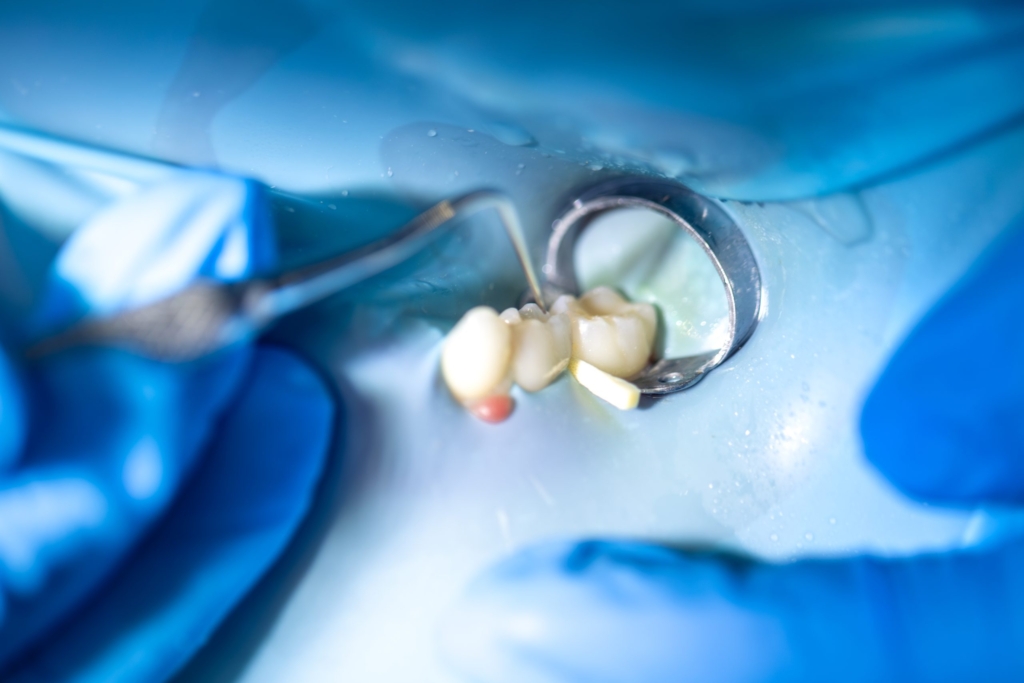
Tooth extraction would appear very intimidating to most people; however, with gentle care and modern techniques, things are so much smoother and more comfortable than one expects. The evolution of dental practice now focuses on discomfort reduction, protection of surrounding tissues, and the patient’s perception of relaxation-in-completed treatment at about all times. In gentle care, extraction is not only a tooth removal process; rather, it is a calm, supporting treatment placing your comfort at first place.
It is common to have an extraction for one of several conditions like advanced decay, tuberculous infection, gum disease, problematic crowded teeth, or wisdom tooth issues. Whatever the cause, the priority is always the same: to carry out the procedure painlessly with consideration for the long term consequences of the oral health system. Before all this begins, the dentist examines your mouth thoroughly, checks the X-rays, and explains the whole thing. Now this part helps you know what is happening and builds confidence, especially if you happen to be a nervous patient about dental treatments.
This application of gentle dentistry also has the benefit of applying cutting-edge anesthetic techniques, which, when further needed, supplement the patient with other sedatives. Such approaches would eventually put you at absolute peace during the procedure. You can imagine what goes on in the mind of a dentist, say, extracting a tooth from a patient with gentle-in-mind techniques. Dentists go way beyond merely taking x-rays and looking inside a person’s mouth. Instead, they take that time to furtheruel your calmness by delivering gradual application of anesthesia to cause less discomfort through comparable minimally invasive techniques, which highly reduce trauma. These help them to preserve most of the bone and gums involved, which helps in easy healing and a lower chance of complications.
Another major factor in gentle tooth extractions would be the focus on anxiety from the patients. Many people avoid getting treatment simply because they fear pain or have had bad experiences in other surgeries. So, this is what gentle care looks at creating a soothing environment and speaking quietly, pacing well to make the patients feel safe. This is what we have called patient first: even those who have high dental anxiety would be treated by that without a stress.
What follows is proper aftercare once the extraction has taken place. You’ll receive easy instructions to use at home, such as applying cold packs to the swelling, refraining from strenuous activity, and taking medications if required. It also insists upon infection prevention and affords soft foods like soups or yogurts during the first day. It separates saltwater rinses after 24 hours to help keep the area clean without disturbing the healing site. All of this helps you to recover and feel comfortable in healing.
Most cases of gentle extraction would prepare the mouth for things like orthodontics or, sometimes, implants or bridges. Removal of a tooth that is infected, damaged, or normal relieves pain and prevents it from becoming a further issue. In actually the extraction via gentle care, you are opting for a really better basis for the overall dentistry experience as concluded.
The process involves gentle dentistry in that the patient-tailored procedure is in place. Your dentist assesses comfort levels, so what to expect is outlined, and a supportive environment created. Keeping it as calm, compassionate, and painless as possible is always the goal. Getting a tooth extracted may sound kind of terrifying; however, when done right, it is just a simple step toward health for the mouth.
Gentle extraction changed people’s minds about a dental treatment; with modern tools, compassionate techniques, and strong focus on a patient comfort, everything in this procedure had become smooth and stress-free. If a tooth is currently troubling you or even if you have future work planned with a dental practitioner, you can be assured that gentle care will ensure your extraction goes as smoothly, comfortable, and tolerantly as possible.



Teeth Extractions in Highpoint
Tooth extractions are sometimes necessary when a tooth is severely damaged, infected, overcrowded, or cannot be preserved through other dental treatments. However, the recommended approach can vary depending on the patient’s age, tooth condition, extraction complexity, and overall oral health. Gentle Care Family Dental, located on Hickswood Road in High Point, provides dental care for children and families. Understanding the different extraction options can help parents and patients make informed decisions. This guide includes a comparison table and checklist to explain common extraction types, treatment considerations, and what to discuss with your dentist. Extraction Options in Highpoint: What Determines the Right Choice? The right extraction approach depends on the patient’s age, the condition and position of the tooth, and the complexity of the procedure. Type / Option Key Characteristics Best Fit For Simple Tooth Extraction Removes a visible tooth that can be accessed without surgical intervention. Patients with severely decayed, damaged, or loose teeth. Surgical Tooth Extraction Involves a more complex procedure when a tooth is broken, impacted, or difficult to access. Patients with teeth that cannot be removed through a simple extraction. Pediatric Tooth Extraction Focuses on safely removing baby or permanent teeth when clinically necessary. Children with severely damaged baby teeth, infection, or other dental concerns. Wisdom Tooth Extraction Removes wisdom teeth that are impacted, painful, or causing other dental problems. Patients experiencing complications related to wisdom teeth. Multiple Tooth Extractions Involves removing more than one tooth as part of a coordinated treatment plan. Patients who need several teeth removed due to dental conditions or treatment requirements. A simple way to understand the options: A straightforward extraction may be suitable when the tooth is fully visible and accessible. More complex cases may require surgical evaluation and additional care based on the tooth’s position and condition. The dentist will recommend the appropriate approach after examining the affected area Why Do Two Extraction Quotes in Highpoint Look Different? Dental providers may recommend different extraction plans because every case has different clinical requirements. Comparing the complete treatment scope is important because the procedure itself may not include every aspect of care. Common differences include: Treatment bundling: Some treatment plans include the consultation, extraction, and follow-up instructions, while others may list additional services separately. Complexity levels: A visible, loose tooth may require a straightforward extraction, while an impacted or broken tooth may need surgical treatment. Follow-up care: Patients may need different levels of monitoring depending on the extraction site, healing progress, and procedure complexity. Additional procedures: Diagnostic imaging, infection management, or other dental treatments may be necessary depending on the patient’s condition. For children, the dentist may also consider the development of permanent teeth and the impact of an extraction on future dental alignment. Extraction Types in Highpoint: What Each Option Involves Simple Tooth Extraction A simple extraction removes a tooth that is visible above the gumline and accessible to the dentist. It may be suitable for patients with severely decayed, damaged, or loose teeth that cannot be restored. This is generally a straightforward treatment when the tooth structure and surrounding tissues allow it. Surgical Tooth Extraction Surgical extraction is considered when a tooth is broken below the gumline, impacted, or difficult to access. The procedure requires additional clinical steps and careful evaluation. It may be appropriate for patients whose teeth cannot be removed through a simple extraction. Pediatric Tooth Extraction Pediatric tooth extraction involves removing a child’s baby or permanent tooth when there is a clinical reason to do so. Common reasons include severe decay, dental infection, trauma, or problems with normal tooth development. A children’s dentist in High Point can assess the child’s dental development and determine whether extraction is necessary. Parents searching for a pediatric dentist near me, kids dentist near me, or dentist for kids in Highpoint should look for a practice that understands children’s dental needs. Wisdom Tooth Extraction Wisdom tooth extraction may be recommended when these teeth cause pain, infection, crowding concerns, or damage to neighbouring teeth. The dentist evaluates their position and development before recommending treatment. Some cases may require referral to an oral surgeon for specialised care. The option should fit the case, not be picked like a menu item. The dentist should consider tooth condition, patient age, dental development, and overall oral health before recommending an extraction. Extraction Checklist: Included vs Extra Understanding what is included in an extraction treatment plan helps patients and parents prepare for the procedure. Often Included Often Extra or Case-Dependent Initial dental consultation Additional diagnostic imaging Examination of the affected tooth Specialist or oral surgeon referral Recommended extraction procedure Additional infection management Basic post-extraction care instructions Follow-up treatment or additional restorative care One important factor that can change the overall treatment plan is the position of the affected tooth. An impacted tooth or a tooth located close to surrounding structures may require additional evaluation and a more specialised approach. For children, the dentist should also consider how removing a baby tooth could affect the development and positioning of permanent teeth. The Extractions service page at Gentle Care Family Dental should explain when extraction is recommended and why the key decision factors—tooth condition, extraction complexity, and the patient’s age and dental development—matter when selecting the right treatment. Still Looking for the Best Extractions in Highpoint? Contact Gentle Care Family Dental Gentle Care Family Dental, located at 2380 Hickswood Rd, High Point, NC 27265, provides dental care for children and families. Patients and parents can contact the practice to discuss extraction concerns and understand the available treatment options. If you are searching for a children’s dentist High Point, family dentist near me, or a dental practice for your child’s extraction needs, a professional examination is a good starting point. Follow these steps before proceeding: Consult: Discuss the patient’s dental concerns, symptoms, and treatment history. Confirm the scope: Understand the tooth condition, extraction complexity, and recommended procedure. Choose the option: Review the appropriate extraction approach based on the dentist’s evaluation. Get the plan in writing: Confirm the procedure, aftercare instructions, follow-up