Home   /   Blog

Invisalign at Gentle Care for a Confident, Comfortable Smile

Invisalign pics

A confident smile can change the way you carry yourself, interact with others, and see your own reflection. Orthodontic treatment has long been associated with metal brackets and wires, but modern dentistry offers a far more subtle and comfortable option. Invisalign represents a shift toward a gentler, more patient-friendly approach to straightening teeth—one that prioritizes comfort, convenience, and discretion.

A Modern Approach to Straightening Teeth

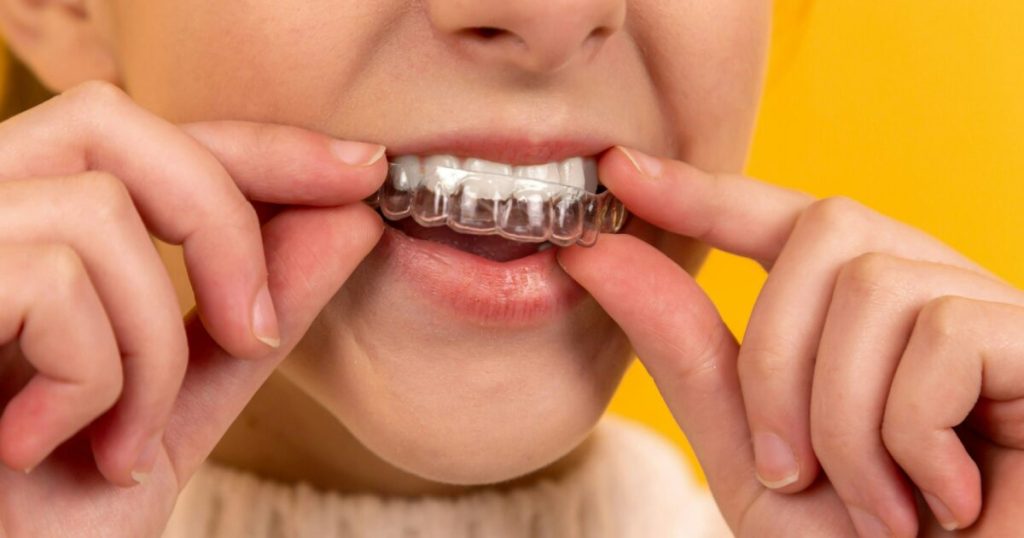
Invisalign uses a series of custom-made, clear aligners designed to gradually move teeth into their ideal positions. These aligners are crafted using advanced digital scanning technology, allowing dentists to map out a precise treatment plan from start to finish. Each set of aligners is worn for a specific period, typically one to two weeks, before moving on to the next set in the series.

Unlike traditional braces, there are no metal brackets or wires involved. This eliminates many of the common discomforts associated with conventional orthodontics, such as irritation to the cheeks and gums. The smooth, medical-grade plastic aligners fit snugly over the teeth, offering a comfortable and nearly invisible appearance.

Why Gentle Care Matters

Orthodontic treatment is not just about aesthetics—it is about long-term oral health. Crooked or misaligned teeth can lead to uneven wear, difficulty cleaning, and even jaw discomfort. However, the process of correcting alignment should not feel overwhelming or painful.

Invisalign is designed with gentle, controlled force. Each aligner applies gradual pressure, guiding teeth into place in small, calculated movements. This steady progression helps minimize soreness and makes the transition between aligners more manageable. Most patients experience only mild pressure when switching to a new set, which typically subsides within a few days.

The removable nature of the aligners also contributes to a more comfortable experience. Patients can take them out while eating, brushing, and flossing, making daily routines simpler and more natural. This flexibility reduces the risk of plaque buildup and gum irritation that sometimes occurs with fixed appliances.

Comfort Without Compromise

One of the biggest concerns people have about orthodontic treatment is how it will affect their lifestyle. With Invisalign, treatment integrates seamlessly into daily life. Because the aligners are clear, they are barely noticeable during conversations, meetings, or social events. This makes them especially appealing for working professionals, students, and anyone who prefers a discreet solution.

Eating remains unrestricted since aligners are removed during meals. There are no dietary limitations related to brackets or wires. This means patients can continue enjoying their favorite foods without worrying about damage or discomfort.

Speech adaptation is generally quick. While some people notice a slight lisp during the first few days, most adjust rapidly as they become accustomed to wearing the aligners.

Personalized Treatment Planning

A key advantage of Invisalign is its customized approach. Treatment begins with a comprehensive dental evaluation and digital impressions. These scans create a 3D model of the patient’s teeth, allowing the dentist to design a precise treatment roadmap.

Patients can often view a simulation of how their smile will progress over time. This visual planning adds clarity and motivation, as individuals can see the expected outcome even before starting treatment.

The duration of treatment varies depending on the complexity of the case. Mild alignment issues may be corrected in a shorter time frame, while more complex cases require longer planning. Regular check-ups ensure progress stays on track, and adjustments can be made if necessary.

Supporting Overall Oral Health

Straight teeth are not just visually appealing—they are easier to clean and maintain. When teeth are properly aligned, brushing and flossing become more effective, reducing the risk of cavities and gum disease. By choosing a treatment that prioritizes gentle care, patients protect both their comfort and their long-term oral health.

Because the aligners are removable, maintaining oral hygiene is straightforward. There are no special tools required beyond standard brushing and flossing routines. Aligners themselves can be cleaned using mild solutions and rinsed regularly to keep them clear and fresh.

Is Invisalign Right for You?

Invisalign is suitable for many common orthodontic concerns, including crowding, gaps, overbites, underbites, and crossbites. However, the best way to determine eligibility is through a professional consultation. A qualified dental provider will assess your oral health, discuss your goals, and recommend the most appropriate treatment plan.

Commitment is essential for successful results. Aligners should be worn for the recommended number of hours each day, typically around 20 to 22 hours. Consistency ensures steady progress and optimal outcomes.

A Gentle Step Toward Confidence

Choosing orthodontic treatment is a personal decision. For many people, the desire to improve their smile comes with concerns about discomfort and visibility. Invisalign addresses these worries by combining advanced technology with a patient-centered, gentle approach.

With clear aligners, personalized planning, and minimal disruption to daily life, achieving a straighter smile no longer requires compromising comfort. It is a modern solution designed to support both your oral health and your confidence—one careful step at a time.


Still have questions?

Give us a call or book a visit online. We're happy to help.
This article is for general information and isn't a substitute for a dental exam or professional advice.

Schedule Your Visit

Give us a call or book online. It only takes a minute.

Payment Plans

Carecredit Logo
Cherry Logo
Sunbit Logo
Pay over time with CareCredit, Cherry or Sunbit.
Keep Reading

More From Our Blog

Best Children’s Dentist in High Point

Choosing the right pediatric dentist involves more than finding a dental office nearby. The type of dental care your child needs can vary depending on their age, oral health, dental development, and comfort during appointments. Understanding these factors helps parents select appropriate dental services and build healthy oral hygiene habits from an early age. Gentle Care Family Dental, located on Hickswood Road in High Point, provides family dental care for patients seeking support with their children’s oral health. Whether your child needs a routine examination, preventive care, or treatment for a dental concern, understanding the available options can make the decision easier. This guide compares common pediatric dental services and includes a checklist to help parents understand what to discuss during a consultation. Pediatric Dentist Options in High Point: What Determines the Right Choice? The right dental care depends on your child’s age, dental development, oral health condition, and level of comfort during treatment. Type / Option Key Characteristics Best Fit For Routine Pediatric Dental Checkups Includes examinations to monitor tooth development, oral health, and potential dental concerns. Children who need regular dental evaluations. Preventive Dental Care Focuses on professional cleaning, fluoride treatments, and dental sealants when appropriate. Children who need support maintaining healthy teeth and preventing cavities. Children’s Dental Cleaning Removes plaque and buildup that regular brushing may not completely eliminate. Children who need professional cleaning and oral hygiene guidance. Pediatric Cavity Treatment Addresses tooth decay using suitable restorative procedures based on the affected tooth. Children experiencing cavities or other signs of tooth damage. Emergency Pediatric Dental Care Provides evaluation for urgent dental concerns such as tooth injuries, swelling, or significant tooth pain. Children who need prompt attention for unexpected dental problems. A simple way to understand the options: Basic pediatric dental care focuses on examinations, cleaning, and prevention. More comprehensive care may involve restorative procedures or urgent treatment when a specific dental problem requires attention. The dentist should recommend services according to your child’s individual dental needs. Why Do Two Pediatric Dentist Quotes in High Point Look Different? Dental offices may recommend different treatment plans because they do not always include the same services or address the same dental concerns. Comparing the complete scope of care helps parents understand what their child will receive. Common differences include: Treatment bundling: Some appointments combine examinations, professional cleaning, and preventive treatments, while others list each service separately. Complexity levels: A routine dental visit differs from treating cavities, managing tooth injuries, or addressing more involved dental concerns. Follow-up care: Some children may need additional appointments to monitor tooth development, review treatment progress, or maintain oral health. Additional services: Fluoride applications, dental sealants, diagnostic imaging, and restorative procedures may be recommended depending on the child’s condition. Parents should ask which services are included in the recommended treatment plan and whether additional appointments may be necessary. Pediatric Dentist Types in High Point: What Each Option Involves Routine Dental Examinations Routine dental examinations help monitor the development of primary and permanent teeth. They also allow the dentist to identify early signs of cavities, gum concerns, and other oral health problems. This option suits children who need regular dental monitoring and preventive guidance. Preventive Dental Treatments Preventive care includes professional cleaning, fluoride treatments, and dental sealants when clinically appropriate. These services help protect children’s teeth and support good oral hygiene habits. This is particularly useful for children who are developing their brushing and flossing routines. Restorative Dental Care for Children Restorative dental care addresses cavities and damaged teeth using treatments suited to the child’s dental condition. The dentist evaluates the affected tooth and recommends an appropriate procedure to restore its function. This option is suitable for children who need treatment beyond routine cleaning and prevention. Emergency Dental Care Emergency dental care addresses unexpected problems such as dental injuries, swelling, and significant tooth pain. Prompt evaluation helps determine the cause of the problem and the appropriate next steps. Parents should seek timely dental attention when their child experiences an urgent dental concern. The option should fit the case, not be picked like a menu item. A child’s dental development, comfort, and oral health condition should guide every treatment recommendation. Pediatric Dentist Checklist: Included vs Extra Before selecting a dental office, parents should understand which services are generally part of routine care and which may require additional treatment. Often Included Often Extra or Case-Dependent Initial dental consultation Additional diagnostic imaging when required Basic oral health examination Fluoride treatment or dental sealants, depending on the care plan Dental development assessment Cavity treatment or restorative procedures Oral hygiene instructions Follow-up appointments for specific dental concerns One important factor that can change the treatment plan is the child’s stage of dental development. Primary teeth and newly emerging permanent teeth have different care requirements. The dentist may recommend additional preventive or restorative procedures depending on the condition of the teeth and the child’s oral health needs. The Pediatric Dentistry service page at Gentle Care Family Dental should explain when different treatments are recommended and why the key decision factor—your child’s age, dental development, and individual oral health condition—matters when selecting appropriate care. Still Looking for the Best Children’s Dentist in High Point? Contact Gentle Care Family Dental Gentle Care Family Dental, located at 2380 Hickswood Rd, High Point, NC 27265, provides dental care for families seeking support with their children’s oral health. Whether you are searching for a pediatric dentist near me, a kids dentist near me, or a family dentist near me, choosing a dental office that understands children’s dental needs is an important step toward maintaining healthy smiles. Follow these steps when arranging dental care: Consult: Discuss your child’s dental history, concerns, and current oral health needs. Confirm the scope: Understand which examinations, preventive services, or treatments are recommended. Choose the option: Select appropriate dental care based on your child’s age, comfort, and clinical requirements. Get the plan in writing: Confirm the recommended procedures, follow-up appointments, and any additional care. Finding the Best Dental Office in High Point means choosing

Periodontal Treatments in High Point

Periodontal treatments focus on preventing, managing, and treating gum disease to protect the health of your gums and supporting teeth. However, the right treatment plan depends on the stage of gum disease, the amount of inflammation or damage, and the additional dental care required. Gentle Care Family Dental, located on Hickswood Road in High Point, provides dental care for patients looking to maintain healthy gums and address periodontal concerns. Understanding the available treatment options can help you make informed decisions about your oral health. This guide compares common periodontal treatments, explains why treatment recommendations differ, and includes a checklist to review before choosing a treatment.Periodontal Treatment Options in High Point: What Determines the Right Choice?  The appropriate periodontal treatment depends on gum disease severity, periodontal pocket depth, bone support, and overall oral health.  Type / Option  Key Characteristics  Best Fit For  Professional Dental Cleaning  Removes plaque and tartar buildup from accessible tooth surfaces and along the gumline.  Patients with early gum inflammation or those maintaining healthy gums.  Scaling and Root Planing  Deep cleaning that removes plaque and tartar below the gumline and smooths root surfaces.  Patients with periodontitis and deeper periodontal pockets.  Periodontal Maintenance  Regular professional monitoring and cleaning to manage gum health after periodontal treatment.  Patients with a history of gum disease who need ongoing care.  Periodontal Surgery  Certain surgical procedures may help treat advanced gum disease or address damaged periodontal tissues.  Selected patients with more advanced periodontal conditions.  Antimicrobial Treatment  May involve locally applied or prescribed antimicrobial agents as part of a periodontal treatment plan.  Patients who need additional infection management based on clinical evaluation.  A simple way to understand the options: Basic treatment may involve professional cleaning for early gum concerns. More comprehensive treatment may require deep cleaning, ongoing periodontal maintenance, or specialist-supported procedures for advanced conditions.Why Do Two Periodontal Treatment Quotes in High Point Look Different?  Dental providers may recommend different periodontal treatment plans because patients do not have the same gum health conditions. Treatment recommendations also differ depending on the procedures involved and the level of follow-up care required.  Common differences include:  Before choosing a treatment provider, ask for a clear explanation of the recommended procedures, their purpose, and the follow-up care required.  Periodontal Treatment Types in High Point: What Each Option Involves  Professional Dental Cleaning  Professional dental cleaning removes plaque and hardened tartar from tooth surfaces and the gumline. It is generally suitable for patients with healthy gums or early-stage gingivitis.  This is a foundational preventive treatment that helps maintain oral hygiene and reduce gum inflammation.  Scaling and Root Planing  Scaling and root planing is a non-surgical deep-cleaning procedure that removes bacterial deposits from below the gumline. It may be recommended for patients with periodontitis and deeper periodontal pockets.  This treatment provides a more targeted approach than routine dental cleaning and may require follow-up evaluations.  Periodontal Maintenance  Periodontal maintenance involves regular professional cleaning and monitoring after active gum disease treatment. It helps manage plaque buildup and monitor changes in gum health.  Patients with a history of periodontitis may need ongoing maintenance based on their individual condition.  Periodontal Surgical Treatment  Periodontal surgery may be considered when non-surgical treatment is insufficient to manage advanced gum disease. Depending on the condition, procedures may address deep periodontal pockets or damaged supporting tissues.  This is a more involved treatment approach and may require evaluation by a periodontal specialist.  The option should fit the case, not be picked like a menu item. A dentist should evaluate gum health, pocket depth, and supporting bone before recommending a suitable treatment.Periodontal Treatment Checklist: Included vs Extra  Understanding what a periodontal treatment plan includes can help you compare recommendations and prepare for the next steps.  Often Included  Often Extra or Case-Dependent  Initial dental examination  Additional periodontal diagnostic assessments  Gum health evaluation  Specialist consultation or referral  Recommended professional cleaning  Scaling and root planing  Treatment progress review  Periodontal surgery or additional antimicrobial treatment  One important factor that can change the overall treatment plan is periodontal pocket depth and supporting bone condition. Patients with mild gum inflammation may need preventive care, while those with deeper pockets or bone loss may require more extensive treatment and monitoring.  The Periodontal Treatments service page at Gentle Care Family Dental should explain when different treatments are recommended and why gum disease severity, pocket depth, and supporting bone health matter when selecting the right approach. Patients should confirm the specific procedures, follow-up arrangements, and any additional requirements directly with the practice.  Still Looking for the Best Periodontal Treatment in High Point? Contact Gentle Care Family Dental  Gentle Care Family Dental provides dental care at 2380 Hickswood Rd, High Point, NC 27265. Patients experiencing gum inflammation, bleeding gums, persistent bad breath, or other periodontal concerns can contact the practice to discuss their dental health and suitable treatment options.  Follow this straightforward process before beginning treatment:  Choosing the best dental office in High Point means finding a practice that evaluates your gum health carefully and explains treatment recommendations clearly.  Contact Gentle Care Family Dental at (336)-899-8992 to enquire about periodontal treatments and schedule a dental consultation. 

Dental Implants in High Point

Dental implants are a long-term tooth replacement option designed to restore missing teeth, improve chewing function, and support a natural-looking smile. However, the right implant treatment plan varies depending on the number of missing teeth, jawbone condition, oral health, and the type of restoration required. Gentle Care Family Dental, located on Hickswood Road in High Point, helps patients explore dental care options based on their individual needs. Understanding the available implant solutions can make it easier to compare treatment recommendations. This guide covers common dental implant options, a comparison table, and a checklist to consider before starting treatment. Dental Implant Options in High Point: What Determines the Right Choice? The right dental implant solution depends on the number of missing teeth, jawbone health, available support, and the complexity of the restoration. Type / Option Key Characteristics Best Fit For Single Tooth Implant Replaces one missing tooth using an implant post and a custom dental crown. Patients missing a single tooth. Multiple Dental Implants Uses separate implants to replace several missing teeth. Patients with multiple missing teeth in different areas. Implant-Supported Bridge Uses dental implants to support a bridge that replaces multiple adjacent missing teeth. Patients missing several neighbouring teeth. Implant-Supported Dentures Uses implants to provide additional support and stability for a denture. Patients seeking a more stable alternative to conventional removable dentures. Full-Arch Implant Restoration Uses strategically positioned implants to support a full set of replacement teeth. Patients who need extensive tooth replacement in an upper or lower arch. A simple way to understand the options: Basic implant treatment may involve replacing a single missing tooth. More comprehensive solutions may involve several implants or full-arch restorations when multiple teeth are missing. The final recommendation depends on a complete dental examination and assessment of bone support. Why Do Two Dental Implant Quotes in High Point Look Different? Dental implant providers do not always include the same procedures in their treatment plans. Two recommendations may appear similar but differ in surgical requirements, restoration materials, diagnostic assessments, and follow-up care. Common differences include: Before selecting a provider, ask for a complete explanation of the proposed procedures and what is included in the treatment plan. Dental Implant Types in High Point: What Each Option Involves Single Tooth Dental Implants A single tooth implant replaces an individual missing tooth without relying on neighbouring natural teeth for support. It may suit patients with a healthy jawbone and sufficient space for implant placement. This is a more focused treatment option when only one tooth needs replacement. Multiple Dental Implants Multiple dental implants replace several missing teeth using individual implant-supported restorations. This approach may suit patients who have lost teeth in different areas and need separate replacements. The treatment requires careful planning to assess bone support and implant positioning. Implant-Supported Bridges An implant-supported bridge replaces several adjacent missing teeth using dental implants for support. It can be an appropriate option when multiple neighbouring teeth are missing and individual implants for every tooth are unnecessary. The dentist evaluates the available bone support and restoration requirements before recommending this approach. Full-Arch Dental Implants Full-arch dental implants replace an entire upper or lower set of teeth using an implant-supported restoration. They may suit patients with extensive tooth loss or teeth that cannot be restored successfully. This is a more comprehensive treatment option that requires detailed evaluation, surgical planning, and ongoing maintenance. The option should fit the case, not be picked like a menu item. A dentist should consider oral health, jawbone condition, and long-term restoration needs before recommending an implant solution. Dental Implant Checklist: Included vs Extra Understanding what an implant treatment plan covers can help patients compare recommendations more accurately. Often Included Often Extra or Case-Dependent Initial dental consultation Additional diagnostic imaging when indicated Oral health and implant suitability assessment Bone grafting procedures Implant placement planning Tooth extraction or preparatory treatment Restoration planning and follow-up guidance Additional restorative procedures or adjustments One important factor that can change the overall treatment plan is jawbone condition. Dental implants require adequate bone support for stability. Patients with insufficient bone may need a bone grafting procedure before implant placement, which can affect treatment sequencing and healing time. The Dental Implants service page at Gentle Care Family Dental should explain when implants are recommended and why jawbone health, implant suitability, and restoration requirements matter when selecting a treatment approach. Patients should confirm the specific procedures, inclusions, and follow-up arrangements directly with the dental practice. Still Looking for the Best Dental Implants in High Point? Contact Gentle Care Family Dental Gentle Care Family Dental, located at 2380 Hickswood Rd, High Point, NC 27265, provides a dental care setting where patients can discuss missing teeth and explore suitable replacement options. A clear treatment process helps patients understand their choices before proceeding. Choosing the best dental office in High Point means finding a practice that explains treatment recommendations clearly and considers both oral health and long-term dental function. Contact Gentle Care Family Dental at (336)-899-8992 to enquire about dental implants and discuss suitable tooth replacement options.