Home   /   Blog

Nitrous Oxide in High Point for Safe, Gentle Anxiety Relief

Nitrous Oxide

Nitrous Oxide in High Point: A Safe, Gentle Way to Ease Dental Anxiety :

Going to the dentist can be stressful. Even routine cleanings or exams can cause anxiety for many people—children, teens, adults, or seniors. At Gentle Care Family Dental in High Point, there’s an option to make your dental visits far more comfortable: nitrous oxide, sometimes called “laughing gas.” This option is designed for people who want more ease, less fear, and reliable pain control during dental procedures.

What is Nitrous Oxide Sedation?

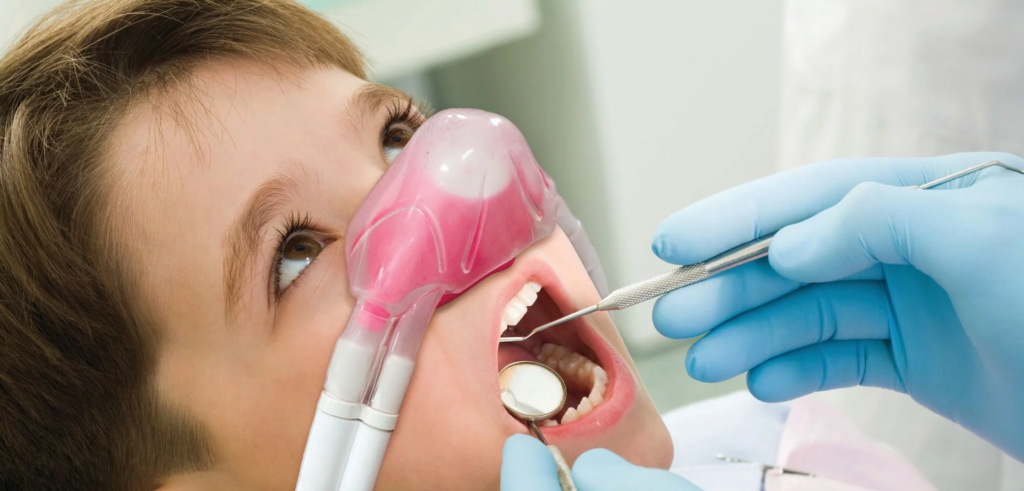
Nitrous oxide is a mild sedative gas administered through a soft mask over the nose. You breathe it in, and it induces a relaxed and calm feeling. You remain conscious and able to respond, but you feel more at ease, less anxious, and often less aware of discomfort. Because it works quickly and leaves the body swiftly once the mask is removed, it offers a very controlled sedation experience.

How It Helps

  • Rapid onset and recovery. Once you begin breathing the gas, the calming effects are felt soon afterwards. When the procedure is over, and the gas is removed, you bounce back quickly—with minimal lingering drowsiness. You can usually go about your normal activities soon afterward.
  • Reduced anxiety. Fear of dental visits is common. Nitrous oxide eases this fear by helping you feel tranquil and serene. It’s useful even for those with strong dental apprehension.
  • Adjustable to your comfort. Your dentist monitors how you’re feeling and can adjust the level of sedation. If you need a little more calm at one moment, or less as the procedure proceeds, the gas concentration can be changed accordingly to match your comfort level.
  • Enhanced pain management. While nitrous oxide itself isn’t a painkiller, combining it with local anesthesia helps make procedures more comfortable, especially for those with low pain tolerance or for more involved dental work.
  • Broad suitability. Because it’s non-invasive and its effects are well understood, nitrous oxide can be used across many age groups—kids through seniors—and for a wide variety of procedures, from exams and cleanings to more complex dental work. It’s especially helpful for patients who have anxiety, strong gag reflexes, or difficulty staying still.

Why Choose It at Gentle Care Family Dental, High Point

At Gentle Care, the use of nitrous oxide is part of their commitment to patient comfort and safe sedation. The practice values:

  • Gentleness and safety. The sedation method is mild and non-invasive. The dentist and staff are trained to monitor and adjust care so that you feel at ease throughout.
  • Personalization. Because sedation levels are adjustable, what feels comfortable for one person may be different for another; the team tailors the experience to each patient’s needs.
  • Broad age range. All ages are welcome; children, often nervous about dental work, benefit greatly, but adults and seniors too feel more comfortable and less stressed.
  • Confidence for more complex work. If you need fillings, extractions, crowns, or other more involved procedures, nitrous oxide helps reduce anxiety, making the whole process smoother.

What to Expect

Here’s how a visit using nitrous oxide typically goes:

  1. During your appointment, the dentist will place a small mask gently over your nose.
  2. You’ll begin breathing in the gas. Within moments, you’ll start to feel more relaxed and calm.
  3. Throughout the procedure, the dentist will check in with you and may adjust the level of sedation to ensure you’re comfortable.
  4. If local anesthesia is needed (for pain control), that will be administered as well.
  5. Once the procedure is finished, the mask is removed. You’ll breathe normal air again, and the effects of nitrous oxide wear off quickly.
  6. Usually, there’s no recovery period in the chair. You may feel a little lightheaded, but you’ll be able to go home or resume your normal day.

Who Benefits Most

People who tend to get the most out of nitrous oxide sedation include:

  • Those who are very anxious about dental treatment.
  • Children who are fearful or have trouble staying still.
  • Patients sensitive to pain or with strong gag reflexes.
  • Those needing longer or more complex treatments but still want to remain conscious and alert.
  • Individuals who want to avoid more intensive forms of sedation or general anesthesia.

Safety and Considerations

Nitrous oxide has a strong safety record when used properly. Because it’s inhaled and not injected, the risks are low. Some considerations:

  • You will need to inform your dentist about your medical history, especially if you have respiratory issues or certain lung conditions.
  • The dentist will use just enough gas to achieve comfort but not overly deep sedation, so you remain responsive.
  • Because its effects wear off quickly, there’s minimal downtime.

In Summary

If dental anxiety, fear, or sensitivity have kept you from getting the care you need—or made visits unpleasant—nitrous oxide is an excellent option in High Point. It’s gentle, adjustable, fast to begin, and fast to leave your system. At Gentle Care Family Dental, this sedation method helps ensure your dental appointment is more pleasant, more comfortable, and far less stressful. Whether it’s for a simple cleaning, a filling, or another procedure, nitrous oxide may help completely transform your experience—making dental care something you can approach with confidence rather than dread.


Still have questions?

Give us a call or book a visit online. We're happy to help.
This article is for general information and isn't a substitute for a dental exam or professional advice.

Schedule Your Visit

Give us a call or book online. It only takes a minute.

Payment Plans

Carecredit Logo
Cherry Logo
Sunbit Logo
Pay over time with CareCredit, Cherry or Sunbit.
Keep Reading

More From Our Blog

Teeth Extractions in Highpoint

Tooth extractions are sometimes necessary when a tooth is severely damaged, infected, overcrowded, or cannot be preserved through other dental treatments. However, the recommended approach can vary depending on the patient’s age, tooth condition, extraction complexity, and overall oral health. Gentle Care Family Dental, located on Hickswood Road in High Point, provides dental care for children and families. Understanding the different extraction options can help parents and patients make informed decisions. This guide includes a comparison table and checklist to explain common extraction types, treatment considerations, and what to discuss with your dentist. Extraction Options in Highpoint: What Determines the Right Choice?  The right extraction approach depends on the patient’s age, the condition and position of the tooth, and the complexity of the procedure.  Type / Option  Key Characteristics  Best Fit For  Simple Tooth Extraction  Removes a visible tooth that can be accessed without surgical intervention.  Patients with severely decayed, damaged, or loose teeth.  Surgical Tooth Extraction  Involves a more complex procedure when a tooth is broken, impacted, or difficult to access.  Patients with teeth that cannot be removed through a simple extraction.  Pediatric Tooth Extraction  Focuses on safely removing baby or permanent teeth when clinically necessary.  Children with severely damaged baby teeth, infection, or other dental concerns.  Wisdom Tooth Extraction  Removes wisdom teeth that are impacted, painful, or causing other dental problems.  Patients experiencing complications related to wisdom teeth.  Multiple Tooth Extractions  Involves removing more than one tooth as part of a coordinated treatment plan.  Patients who need several teeth removed due to dental conditions or treatment requirements.  A simple way to understand the options: A straightforward extraction may be suitable when the tooth is fully visible and accessible. More complex cases may require surgical evaluation and additional care based on the tooth’s position and condition.  The dentist will recommend the appropriate approach after examining the affected area Why Do Two Extraction Quotes in Highpoint Look Different?  Dental providers may recommend different extraction plans because every case has different clinical requirements. Comparing the complete treatment scope is important because the procedure itself may not include every aspect of care.  Common differences include:  Treatment bundling: Some treatment plans include the consultation, extraction, and follow-up instructions, while others may list additional services separately.  Complexity levels: A visible, loose tooth may require a straightforward extraction, while an impacted or broken tooth may need surgical treatment.  Follow-up care: Patients may need different levels of monitoring depending on the extraction site, healing progress, and procedure complexity.  Additional procedures: Diagnostic imaging, infection management, or other dental treatments may be necessary depending on the patient’s condition.  For children, the dentist may also consider the development of permanent teeth and the impact of an extraction on future dental alignment.  Extraction Types in Highpoint: What Each Option Involves  Simple Tooth Extraction  A simple extraction removes a tooth that is visible above the gumline and accessible to the dentist. It may be suitable for patients with severely decayed, damaged, or loose teeth that cannot be restored.  This is generally a straightforward treatment when the tooth structure and surrounding tissues allow it.  Surgical Tooth Extraction  Surgical extraction is considered when a tooth is broken below the gumline, impacted, or difficult to access. The procedure requires additional clinical steps and careful evaluation.  It may be appropriate for patients whose teeth cannot be removed through a simple extraction.  Pediatric Tooth Extraction  Pediatric tooth extraction involves removing a child’s baby or permanent tooth when there is a clinical reason to do so. Common reasons include severe decay, dental infection, trauma, or problems with normal tooth development.  A children’s dentist in High Point can assess the child’s dental development and determine whether extraction is necessary. Parents searching for a pediatric dentist near me, kids dentist near me, or dentist for kids in Highpoint should look for a practice that understands children’s dental needs.  Wisdom Tooth Extraction  Wisdom tooth extraction may be recommended when these teeth cause pain, infection, crowding concerns, or damage to neighbouring teeth. The dentist evaluates their position and development before recommending treatment.  Some cases may require referral to an oral surgeon for specialised care.  The option should fit the case, not be picked like a menu item. The dentist should consider tooth condition, patient age, dental development, and overall oral health before recommending an extraction.  Extraction Checklist: Included vs Extra  Understanding what is included in an extraction treatment plan helps patients and parents prepare for the procedure.  Often Included  Often Extra or Case-Dependent  Initial dental consultation  Additional diagnostic imaging  Examination of the affected tooth  Specialist or oral surgeon referral  Recommended extraction procedure  Additional infection management  Basic post-extraction care instructions  Follow-up treatment or additional restorative care  One important factor that can change the overall treatment plan is the position of the affected tooth. An impacted tooth or a tooth located close to surrounding structures may require additional evaluation and a more specialised approach. For children, the dentist should also consider how removing a baby tooth could affect the development and positioning of permanent teeth.  The Extractions service page at Gentle Care Family Dental should explain when extraction is recommended and why the key decision factors—tooth condition, extraction complexity, and the patient’s age and dental development—matter when selecting the right treatment.  Still Looking for the Best Extractions in Highpoint? Contact Gentle Care Family Dental  Gentle Care Family Dental, located at 2380 Hickswood Rd, High Point, NC 27265, provides dental care for children and families. Patients and parents can contact the practice to discuss extraction concerns and understand the available treatment options.  If you are searching for a children’s dentist High Point, family dentist near me, or a dental practice for your child’s extraction needs, a professional examination is a good starting point.  Follow these steps before proceeding:  Consult: Discuss the patient’s dental concerns, symptoms, and treatment history.  Confirm the scope: Understand the tooth condition, extraction complexity, and recommended procedure.  Choose the option: Review the appropriate extraction approach based on the dentist’s evaluation.  Get the plan in writing: Confirm the procedure, aftercare instructions, follow-up

Best Children’s Dentist in High Point

Choosing the right pediatric dentist involves more than finding a dental office nearby. The type of dental care your child needs can vary depending on their age, oral health, dental development, and comfort during appointments. Understanding these factors helps parents select appropriate dental services and build healthy oral hygiene habits from an early age. Gentle Care Family Dental, located on Hickswood Road in High Point, provides family dental care for patients seeking support with their children’s oral health. Whether your child needs a routine examination, preventive care, or treatment for a dental concern, understanding the available options can make the decision easier. This guide compares common pediatric dental services and includes a checklist to help parents understand what to discuss during a consultation. Pediatric Dentist Options in High Point: What Determines the Right Choice? The right dental care depends on your child’s age, dental development, oral health condition, and level of comfort during treatment. Type / Option Key Characteristics Best Fit For Routine Pediatric Dental Checkups Includes examinations to monitor tooth development, oral health, and potential dental concerns. Children who need regular dental evaluations. Preventive Dental Care Focuses on professional cleaning, fluoride treatments, and dental sealants when appropriate. Children who need support maintaining healthy teeth and preventing cavities. Children’s Dental Cleaning Removes plaque and buildup that regular brushing may not completely eliminate. Children who need professional cleaning and oral hygiene guidance. Pediatric Cavity Treatment Addresses tooth decay using suitable restorative procedures based on the affected tooth. Children experiencing cavities or other signs of tooth damage. Emergency Pediatric Dental Care Provides evaluation for urgent dental concerns such as tooth injuries, swelling, or significant tooth pain. Children who need prompt attention for unexpected dental problems. A simple way to understand the options: Basic pediatric dental care focuses on examinations, cleaning, and prevention. More comprehensive care may involve restorative procedures or urgent treatment when a specific dental problem requires attention. The dentist should recommend services according to your child’s individual dental needs. Why Do Two Pediatric Dentist Quotes in High Point Look Different? Dental offices may recommend different treatment plans because they do not always include the same services or address the same dental concerns. Comparing the complete scope of care helps parents understand what their child will receive. Common differences include: Treatment bundling: Some appointments combine examinations, professional cleaning, and preventive treatments, while others list each service separately. Complexity levels: A routine dental visit differs from treating cavities, managing tooth injuries, or addressing more involved dental concerns. Follow-up care: Some children may need additional appointments to monitor tooth development, review treatment progress, or maintain oral health. Additional services: Fluoride applications, dental sealants, diagnostic imaging, and restorative procedures may be recommended depending on the child’s condition. Parents should ask which services are included in the recommended treatment plan and whether additional appointments may be necessary. Pediatric Dentist Types in High Point: What Each Option Involves Routine Dental Examinations Routine dental examinations help monitor the development of primary and permanent teeth. They also allow the dentist to identify early signs of cavities, gum concerns, and other oral health problems. This option suits children who need regular dental monitoring and preventive guidance. Preventive Dental Treatments Preventive care includes professional cleaning, fluoride treatments, and dental sealants when clinically appropriate. These services help protect children’s teeth and support good oral hygiene habits. This is particularly useful for children who are developing their brushing and flossing routines. Restorative Dental Care for Children Restorative dental care addresses cavities and damaged teeth using treatments suited to the child’s dental condition. The dentist evaluates the affected tooth and recommends an appropriate procedure to restore its function. This option is suitable for children who need treatment beyond routine cleaning and prevention. Emergency Dental Care Emergency dental care addresses unexpected problems such as dental injuries, swelling, and significant tooth pain. Prompt evaluation helps determine the cause of the problem and the appropriate next steps. Parents should seek timely dental attention when their child experiences an urgent dental concern. The option should fit the case, not be picked like a menu item. A child’s dental development, comfort, and oral health condition should guide every treatment recommendation. Pediatric Dentist Checklist: Included vs Extra Before selecting a dental office, parents should understand which services are generally part of routine care and which may require additional treatment. Often Included Often Extra or Case-Dependent Initial dental consultation Additional diagnostic imaging when required Basic oral health examination Fluoride treatment or dental sealants, depending on the care plan Dental development assessment Cavity treatment or restorative procedures Oral hygiene instructions Follow-up appointments for specific dental concerns One important factor that can change the treatment plan is the child’s stage of dental development. Primary teeth and newly emerging permanent teeth have different care requirements. The dentist may recommend additional preventive or restorative procedures depending on the condition of the teeth and the child’s oral health needs. The Pediatric Dentistry service page at Gentle Care Family Dental should explain when different treatments are recommended and why the key decision factor—your child’s age, dental development, and individual oral health condition—matters when selecting appropriate care. Still Looking for the Best Children’s Dentist in High Point? Contact Gentle Care Family Dental Gentle Care Family Dental, located at 2380 Hickswood Rd, High Point, NC 27265, provides dental care for families seeking support with their children’s oral health. Whether you are searching for a pediatric dentist near me, a kids dentist near me, or a family dentist near me, choosing a dental office that understands children’s dental needs is an important step toward maintaining healthy smiles. Follow these steps when arranging dental care: Consult: Discuss your child’s dental history, concerns, and current oral health needs. Confirm the scope: Understand which examinations, preventive services, or treatments are recommended. Choose the option: Select appropriate dental care based on your child’s age, comfort, and clinical requirements. Get the plan in writing: Confirm the recommended procedures, follow-up appointments, and any additional care. Finding the Best Dental Office in High Point means choosing

Periodontal Treatments in High Point

Periodontal treatments focus on preventing, managing, and treating gum disease to protect the health of your gums and supporting teeth. However, the right treatment plan depends on the stage of gum disease, the amount of inflammation or damage, and the additional dental care required. Gentle Care Family Dental, located on Hickswood Road in High Point, provides dental care for patients looking to maintain healthy gums and address periodontal concerns. Understanding the available treatment options can help you make informed decisions about your oral health. This guide compares common periodontal treatments, explains why treatment recommendations differ, and includes a checklist to review before choosing a treatment.Periodontal Treatment Options in High Point: What Determines the Right Choice?  The appropriate periodontal treatment depends on gum disease severity, periodontal pocket depth, bone support, and overall oral health.  Type / Option  Key Characteristics  Best Fit For  Professional Dental Cleaning  Removes plaque and tartar buildup from accessible tooth surfaces and along the gumline.  Patients with early gum inflammation or those maintaining healthy gums.  Scaling and Root Planing  Deep cleaning that removes plaque and tartar below the gumline and smooths root surfaces.  Patients with periodontitis and deeper periodontal pockets.  Periodontal Maintenance  Regular professional monitoring and cleaning to manage gum health after periodontal treatment.  Patients with a history of gum disease who need ongoing care.  Periodontal Surgery  Certain surgical procedures may help treat advanced gum disease or address damaged periodontal tissues.  Selected patients with more advanced periodontal conditions.  Antimicrobial Treatment  May involve locally applied or prescribed antimicrobial agents as part of a periodontal treatment plan.  Patients who need additional infection management based on clinical evaluation.  A simple way to understand the options: Basic treatment may involve professional cleaning for early gum concerns. More comprehensive treatment may require deep cleaning, ongoing periodontal maintenance, or specialist-supported procedures for advanced conditions.Why Do Two Periodontal Treatment Quotes in High Point Look Different?  Dental providers may recommend different periodontal treatment plans because patients do not have the same gum health conditions. Treatment recommendations also differ depending on the procedures involved and the level of follow-up care required.  Common differences include:  Before choosing a treatment provider, ask for a clear explanation of the recommended procedures, their purpose, and the follow-up care required.  Periodontal Treatment Types in High Point: What Each Option Involves  Professional Dental Cleaning  Professional dental cleaning removes plaque and hardened tartar from tooth surfaces and the gumline. It is generally suitable for patients with healthy gums or early-stage gingivitis.  This is a foundational preventive treatment that helps maintain oral hygiene and reduce gum inflammation.  Scaling and Root Planing  Scaling and root planing is a non-surgical deep-cleaning procedure that removes bacterial deposits from below the gumline. It may be recommended for patients with periodontitis and deeper periodontal pockets.  This treatment provides a more targeted approach than routine dental cleaning and may require follow-up evaluations.  Periodontal Maintenance  Periodontal maintenance involves regular professional cleaning and monitoring after active gum disease treatment. It helps manage plaque buildup and monitor changes in gum health.  Patients with a history of periodontitis may need ongoing maintenance based on their individual condition.  Periodontal Surgical Treatment  Periodontal surgery may be considered when non-surgical treatment is insufficient to manage advanced gum disease. Depending on the condition, procedures may address deep periodontal pockets or damaged supporting tissues.  This is a more involved treatment approach and may require evaluation by a periodontal specialist.  The option should fit the case, not be picked like a menu item. A dentist should evaluate gum health, pocket depth, and supporting bone before recommending a suitable treatment.Periodontal Treatment Checklist: Included vs Extra  Understanding what a periodontal treatment plan includes can help you compare recommendations and prepare for the next steps.  Often Included  Often Extra or Case-Dependent  Initial dental examination  Additional periodontal diagnostic assessments  Gum health evaluation  Specialist consultation or referral  Recommended professional cleaning  Scaling and root planing  Treatment progress review  Periodontal surgery or additional antimicrobial treatment  One important factor that can change the overall treatment plan is periodontal pocket depth and supporting bone condition. Patients with mild gum inflammation may need preventive care, while those with deeper pockets or bone loss may require more extensive treatment and monitoring.  The Periodontal Treatments service page at Gentle Care Family Dental should explain when different treatments are recommended and why gum disease severity, pocket depth, and supporting bone health matter when selecting the right approach. Patients should confirm the specific procedures, follow-up arrangements, and any additional requirements directly with the practice.  Still Looking for the Best Periodontal Treatment in High Point? Contact Gentle Care Family Dental  Gentle Care Family Dental provides dental care at 2380 Hickswood Rd, High Point, NC 27265. Patients experiencing gum inflammation, bleeding gums, persistent bad breath, or other periodontal concerns can contact the practice to discuss their dental health and suitable treatment options.  Follow this straightforward process before beginning treatment:  Choosing the best dental office in High Point means finding a practice that evaluates your gum health carefully and explains treatment recommendations clearly.  Contact Gentle Care Family Dental at (336)-899-8992 to enquire about periodontal treatments and schedule a dental consultation.