


A confident smile can change the way you speak, connect, and express yourself. But for many people, missing teeth or uncomfortable dentures create hesitation. That’s where dental implants in gentle care come in—an approach that combines modern implant technology with a soft, patient-first experience. Instead of focusing only on the procedure, it’s about ensuring comfort, trust, and mindful treatment at every step.
Dental implants have become one of the most reliable and long-lasting solutions for tooth replacement. They act like natural tooth roots and provide a strong foundation for crowns, bridges, or dentures. But while the technology behind implants is impressive, what truly transforms the patient journey is the gentle-care philosophy. This method prioritizes minimal discomfort, clear communication, and emotional ease, which is especially helpful for people who fear dental treatments.
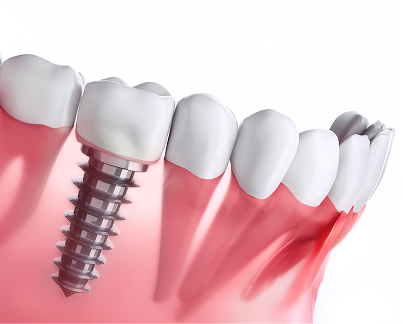
The foundation of dental implants in gentle care starts with a thorough yet relaxed consultation. Dentists who practice this approach spend time understanding each patient’s concerns, medical history, and expectations. They explain the implant process step-by-step—not to overwhelm, but to help patients feel in control. Many individuals appreciate knowing how implants work: a titanium post is placed in the jawbone, where it naturally fuses over time. This creates stability similar to real teeth, allowing patients to speak and eat confidently.
What makes gentle-care implant dentistry different is its focus on comfort-driven techniques. Local anesthesia is applied in a way that minimizes discomfort. Many clinics also offer calming options such as sedation for anxious patients. The goal isn’t just to complete the procedure—it’s to make sure the experience feels smooth, reassuring, and respectful of the patient’s pace. Even during the implant placement itself, advanced tools and precise imaging allow dentists to work with accuracy while reducing invasiveness.
Healing is another stage where gentle care shines. Instead of rushing the recovery, dentists monitor progress closely and encourage habits that protect the implant. Post-procedure instructions are explained clearly, with emphasis on real-life practicality: what to eat, how to clean the area, and when to schedule follow-ups. This patient-centered guidance helps prevent complications and supports healthy bone integration around the implant.
Many people choose dental implants in gentle care because of the natural-looking results. The crown attached to the implant is custom-made to match the shape, size, and color of surrounding teeth. This ensures a seamless appearance—most people cannot even tell it’s an implant. Beyond looks, dental implants restore full functionality. Patients can enjoy favorite foods again, smile widely in photos, and speak without worrying about slipping dentures.
One of the lesser-known benefits of dental implants is their role in preserving facial structure. When a natural tooth is lost, the jawbone beneath it begins to shrink over time due to lack of stimulation. Implants prevent this by acting as artificial roots, keeping the bone active and healthy. This helps maintain facial shape and avoids that sunken look that often occurs with long-term tooth loss.
A gentle-care implant journey also addresses emotional wellbeing. Many individuals with a history of dental trauma or fear avoid treatment for years, even when they know they need it. By incorporating empathy, slow pacing, and reassurance, dental professionals help patients rebuild trust. The process becomes less clinical and more human—centered around healing both the smile and the overall experience.
Daily care for dental implants is simple when explained clearly. Brushing twice a day, regular flossing, and routine check-ups keep implants healthy for decades. Because implants do not decay, they are easier to maintain than natural teeth, but gum health remains essential. Gentle-care dentists guide patients on adopting the right cleaning habits without overwhelming them with complicated routines.
Cost is another concern many people have, and gentle-care clinics often walk patients through the financial aspect honestly. Instead of pressure tactics, they help individuals understand what they are paying for: high-quality materials, expert placement, long-lasting durability, and attentive aftercare. Many also provide flexible options to make the treatment more accessible.
Ultimately, dental implants in gentle care is not a service—it is an experience. It’s for those who want a healthy, complete smile without fear or stress. It’s for people who value compassionate communication just as much as clinical skill. And it’s for anyone seeking a long-term, natural-feeling solution to missing teeth.
Choosing this approach means choosing comfort, confidence, and care from the first consultation to the final smile. With gentle-care dentistry, the journey to a restored smile becomes as meaningful as the result itself—a combination of modern technology and a soft, reassuring touch.