
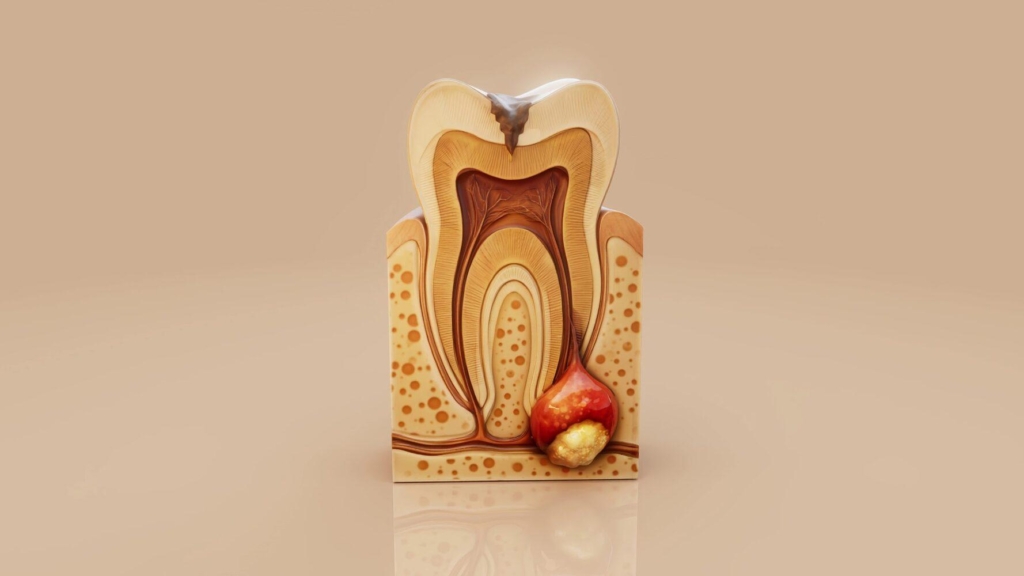
Root canals. Those are words at once conjuring visions of pain, hours spent in a dental chair, and an agonizing recovery that turns everything upside down. But modern dentistry has changed dramatically. Today, root canals in gentle care are designed to protect your natural tooth while keeping you calm, comfortable, and confident throughout the procedure. It’s completely different from what most people expect with excellent techniques, better anesthesia, and a patient-first attitude.
What are root canals for
Although teeth are strong, when the inner pulp becomes infected due to deep decay, untreated cavity, trauma, or injury, a simple filling may not suffice. The infection, if left to spread, can result in increased severity of pain, swelling, and even loss of the tooth. That’s what makes it necessary to have a gentle care root canal done. This does not mean removing the tooth; instead, the dentist removes the infected pulp from the root canal and fills it with an inert material to prevent a further infection from coming in. This means relieving pain and also maintaining the integrity of the tooth structure, which is always better than extracting it out from the mouth.
What is unique about Gentle Care?
The root canal story is now in the past. Today, dental technology is more focused on patient comfort. The clinic provides root canals in gentle care using fewer noises and treatment time and assuring patients that they get relaxed from the start to the finish of the procedure. It’s not so much about fixing the tooth but instead focuses on enhancing the entire experience.
Some features of gentle care include:
Soothing communication throughout the procedure
Pain-free anesthesia
Rotary instruments for precision
Less chair-time
Soft lighting and soothing surroundings
Follow-up support for smooth healing
Patients often complain that gentle care root canals are similar to having an ordinary filling put in.
Root Canal Treatment: The Procedure
Knowing what takes place inside a root canal performed in gentle care lessens anxiety, and the event feels almost routine. This is what usually happens:
1. Diagnosis and Consultation
The dentist does an X-ray examination of the tooth to determine the extent of the infection. This also helps figure out if this is the treatment required by the patient and lays the groundwork for the roadmap regarding gentle, effective care.
2. Local Anesthesia
Modern anesthetics usually make the procedure comfortable. Gentle care root canal patients usually feel mild pressure, but not usually at any point sharp pain.
3. Removing the Infection
The infected pulp is reached through a tiny opening in the tooth. Thorough and comfortable cleaning of the canal is easy with modern rotary tools.
4. Forming and Sealing
The canal is formed, disinfected, and filled with biocompatible material to prevent bacteria from coming back, once the infection has been cleared.
5. Last Restoration
A crown or filling is put in place to enhance the tooth’s strength, thereby providing it with full function and aesthetics.
Benefits of Gentle Care Root Canals
Of root canals in gentle care, attentive benefits include but are not limited to: Instilling confidence in patients” Difference in perspective:
Pain Alleviation
By killing the pain-producing area, immediate relief is provided. Within a few days, most patients experience easing of the symptoms.
Holds on the Tooth
Better performance of a natural tooth than any of its substitutes is, in general, when it cherishes one’s own. Gentle care is all about caring for what is already within you.
Pleasant Experience
Less noise, smoother instruments, patient communication-all of these have made the process stress-free.
Effective Treatment
Most gentle care root canals are completed in between one and two visits depending on the tooth.
Quick Recovery
Patients recover quickly and with little discomfort since we eliminate infection and traumatize as little tissue as is necessary to gain access to the canal during root canal therapy.
Aftercare Tips to Speed Recovery
Once you have had your gentle care root canal, it is important to look after your tooth properly to speed up the healing process. Besides the above, your dentist will probably recommend that you:
Avoid chewing hard foods on the treated side for a couple of days
Maintain regular brushing and flossing
Use over-the-counter pain relievers if mild soreness appears
Schedule follow-up appointments if your dentist advises
Most patients heal without complications and can expect the tooth to last many years.
Why Gentle Care Dentistry Is Important
Dental anxiety does exist, and many individuals delay going for therapy out of fright. However, postponing the root canal does not lessen the severity of infection or the pain of discomfort. Such clinics perform the task of breaking this chain by putting trust, communication, and comfort as their primary focus.
Gentle care dentistry is not just a technique, but an attitude. Gentle care dentistry is understanding the concerns of the patient, discussing what you are doing along each step in great detail, and never actually making those procedures seem menacing or overly difficult. It turns out that failing to see a caring practice will probably make patients have that tendency to deprive themselves of regular protection against threats to their oral health.
The Healthier Smile Starts with Getting the Right Approach
Old myths about pain kept you from taking treatment. But, with gentle care root canals today, everything changes. It has become easier than ever to save your natural tooth with its advanced instruments and soothing mechanisms. So get root canals in gentle care because your smile will stay healthy that way-without headaches from unnecessary stress brought about by ongoing toothache, extreme sensitivity, or a deep cavity.
Your comfort matters today: with the right care, a root canal becomes a mere step toward long-term health in dentation and brings relief.



Best Children’s Dentist in High Point
Choosing the right pediatric dentist involves more than finding a dental office nearby. The type of dental care your child needs can vary depending on their age, oral health, dental development, and comfort during appointments. Understanding these factors helps parents select appropriate dental services and build healthy oral hygiene habits from an early age. Gentle Care Family Dental, located on Hickswood Road in High Point, provides family dental care for patients seeking support with their children’s oral health. Whether your child needs a routine examination, preventive care, or treatment for a dental concern, understanding the available options can make the decision easier. This guide compares common pediatric dental services and includes a checklist to help parents understand what to discuss during a consultation. Pediatric Dentist Options in High Point: What Determines the Right Choice? The right dental care depends on your child’s age, dental development, oral health condition, and level of comfort during treatment. Type / Option Key Characteristics Best Fit For Routine Pediatric Dental Checkups Includes examinations to monitor tooth development, oral health, and potential dental concerns. Children who need regular dental evaluations. Preventive Dental Care Focuses on professional cleaning, fluoride treatments, and dental sealants when appropriate. Children who need support maintaining healthy teeth and preventing cavities. Children’s Dental Cleaning Removes plaque and buildup that regular brushing may not completely eliminate. Children who need professional cleaning and oral hygiene guidance. Pediatric Cavity Treatment Addresses tooth decay using suitable restorative procedures based on the affected tooth. Children experiencing cavities or other signs of tooth damage. Emergency Pediatric Dental Care Provides evaluation for urgent dental concerns such as tooth injuries, swelling, or significant tooth pain. Children who need prompt attention for unexpected dental problems. A simple way to understand the options: Basic pediatric dental care focuses on examinations, cleaning, and prevention. More comprehensive care may involve restorative procedures or urgent treatment when a specific dental problem requires attention. The dentist should recommend services according to your child’s individual dental needs. Why Do Two Pediatric Dentist Quotes in High Point Look Different? Dental offices may recommend different treatment plans because they do not always include the same services or address the same dental concerns. Comparing the complete scope of care helps parents understand what their child will receive. Common differences include: Treatment bundling: Some appointments combine examinations, professional cleaning, and preventive treatments, while others list each service separately. Complexity levels: A routine dental visit differs from treating cavities, managing tooth injuries, or addressing more involved dental concerns. Follow-up care: Some children may need additional appointments to monitor tooth development, review treatment progress, or maintain oral health. Additional services: Fluoride applications, dental sealants, diagnostic imaging, and restorative procedures may be recommended depending on the child’s condition. Parents should ask which services are included in the recommended treatment plan and whether additional appointments may be necessary. Pediatric Dentist Types in High Point: What Each Option Involves Routine Dental Examinations Routine dental examinations help monitor the development of primary and permanent teeth. They also allow the dentist to identify early signs of cavities, gum concerns, and other oral health problems. This option suits children who need regular dental monitoring and preventive guidance. Preventive Dental Treatments Preventive care includes professional cleaning, fluoride treatments, and dental sealants when clinically appropriate. These services help protect children’s teeth and support good oral hygiene habits. This is particularly useful for children who are developing their brushing and flossing routines. Restorative Dental Care for Children Restorative dental care addresses cavities and damaged teeth using treatments suited to the child’s dental condition. The dentist evaluates the affected tooth and recommends an appropriate procedure to restore its function. This option is suitable for children who need treatment beyond routine cleaning and prevention. Emergency Dental Care Emergency dental care addresses unexpected problems such as dental injuries, swelling, and significant tooth pain. Prompt evaluation helps determine the cause of the problem and the appropriate next steps. Parents should seek timely dental attention when their child experiences an urgent dental concern. The option should fit the case, not be picked like a menu item. A child’s dental development, comfort, and oral health condition should guide every treatment recommendation. Pediatric Dentist Checklist: Included vs Extra Before selecting a dental office, parents should understand which services are generally part of routine care and which may require additional treatment. Often Included Often Extra or Case-Dependent Initial dental consultation Additional diagnostic imaging when required Basic oral health examination Fluoride treatment or dental sealants, depending on the care plan Dental development assessment Cavity treatment or restorative procedures Oral hygiene instructions Follow-up appointments for specific dental concerns One important factor that can change the treatment plan is the child’s stage of dental development. Primary teeth and newly emerging permanent teeth have different care requirements. The dentist may recommend additional preventive or restorative procedures depending on the condition of the teeth and the child’s oral health needs. The Pediatric Dentistry service page at Gentle Care Family Dental should explain when different treatments are recommended and why the key decision factor—your child’s age, dental development, and individual oral health condition—matters when selecting appropriate care. Still Looking for the Best Children’s Dentist in High Point? Contact Gentle Care Family Dental Gentle Care Family Dental, located at 2380 Hickswood Rd, High Point, NC 27265, provides dental care for families seeking support with their children’s oral health. Whether you are searching for a pediatric dentist near me, a kids dentist near me, or a family dentist near me, choosing a dental office that understands children’s dental needs is an important step toward maintaining healthy smiles. Follow these steps when arranging dental care: Consult: Discuss your child’s dental history, concerns, and current oral health needs. Confirm the scope: Understand which examinations, preventive services, or treatments are recommended. Choose the option: Select appropriate dental care based on your child’s age, comfort, and clinical requirements. Get the plan in writing: Confirm the recommended procedures, follow-up appointments, and any additional care. Finding the Best Dental Office in High Point means choosing