


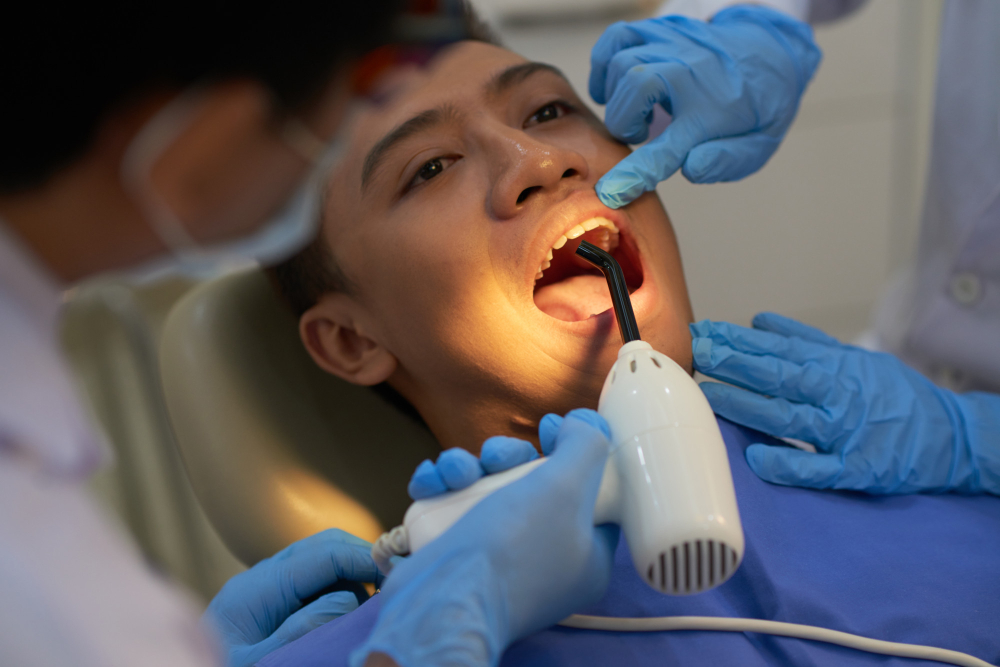
Preventive care is the foundation of gentle dental care. Rather than waiting for pain or visible problems, preventive dentistry focuses on protecting oral health early, reducing the need for complex treatments later. When combined with a gentle approach, preventive care not only safeguards teeth and gums but also creates a calm, stress-free experience for patients of all ages.
Understanding Preventive Dental Care
Preventive dental care includes routine practices and professional support aimed at keeping the mouth healthy. This approach emphasizes regular checkups, cleanings, and patient education to stop dental issues before they begin. Cavities, gum disease, enamel erosion, and bad breath are often preventable with consistent care and early attention.
Gentle dental care enhances this process by prioritizing comfort, empathy, and minimally invasive techniques. It recognizes that many people feel anxious about dental visits and works to make each interaction reassuring and pain-free.
The Role of Gentle Care in Prevention
Gentle care is not just about soft hands—it’s about mindset. Dentists who practice gentle care take time to listen, explain procedures clearly, and adapt treatments to individual comfort levels. This approach encourages patients to attend regular appointments instead of postponing visits due to fear or discomfort.
When patients feel safe and understood, they are more likely to follow preventive routines such as professional cleanings, fluoride treatments, and early screenings. Over time, this consistency leads to stronger teeth, healthier gums, and fewer emergencies.
Routine Checkups: The First Line of Defense
Regular dental checkups are a cornerstone of preventive care. During these visits, dentists examine teeth, gums, and oral tissues to detect early signs of decay, infection, or alignment issues. Identifying problems at an early stage often means simpler, gentler treatments.
Gentle checkups focus on careful examination without rushing. Modern tools and techniques allow dentists to be precise while keeping discomfort to a minimum. These visits also offer an opportunity for patients to ask questions and understand their oral health better.
Professional Cleanings for Long-Term Health
Even with excellent brushing and flossing habits, plaque and tartar can build up in hard-to-reach areas. Professional cleanings remove these deposits, reducing the risk of cavities and gum disease.
In a gentle care setting, cleanings are performed with extra attention to sensitivity. Dentists and hygienists adjust pressure, use advanced instruments, and take breaks if needed. This ensures the cleaning process is comfortable while still being effective.
Preventing Gum Disease with Early Care
Gum disease often begins silently, showing mild symptoms like redness or bleeding. Preventive care focuses on identifying these early signs and addressing them before they progress. Gentle techniques such as non-invasive deep cleaning and personalized oral hygiene advice play a major role in gum health.
Healthy gums support teeth and contribute to overall wellness. Preventive gum care reduces inflammation, protects bone structure, and lowers the risk of tooth loss.
Education and Daily Habits
One of the most valuable aspects of preventive care is patient education. Gentle dental care emphasizes teaching rather than lecturing. Patients learn proper brushing techniques, flossing methods, and dietary habits that protect enamel and gums.
Small daily actions—brushing twice a day, flossing regularly, and limiting sugary foods—have a powerful impact over time. When patients understand why these habits matter, they are more likely to maintain them consistently.
Preventive Care for Children and Families
Gentle preventive care is especially important for children. Early positive experiences help build lifelong trust in dental care. Regular checkups, sealants, and fluoride applications protect young teeth while teaching children good habits from an early age.
For families, preventive care offers peace of mind. Parents can feel confident knowing that small issues are addressed early, saving time, discomfort, and costs in the future.
Long-Term Benefits of Gentle Preventive Care
Preventive care in a gentle environment leads to fewer dental emergencies, reduced treatment costs, and improved overall health. It supports not just the mouth, but confidence, comfort, and quality of life. Patients who prioritize prevention often enjoy brighter smiles, fresher breath, and stronger teeth well into the future.
Conclusion
Preventive care in gentle dental practice is about more than avoiding problems—it’s about creating a positive, proactive relationship with oral health. By focusing on early detection, comfort-driven techniques, and patient education, gentle preventive care helps people maintain healthy smiles without fear or stress. Choosing prevention today is an investment in long-term dental wellness and overall well-being.