


A healthy smile plays an important role in everyday life. It helps with speaking clearly, chewing comfortably, and expressing confidence in social situations. However, losing a tooth can affect both oral function and appearance. Fortunately, modern dentistry offers several solutions to restore missing teeth, and one of the most reliable options is a dental bridge.
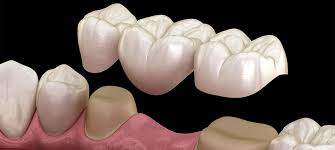
Dental bridges are designed to replace one or more missing teeth by “bridging” the gap between natural teeth or dental implants. They restore both the function and appearance of a smile while helping maintain the natural shape of the face. For many patients, a dental bridge provides a long-lasting and natural-looking solution that blends seamlessly with existing teeth.
What Is a Dental Bridge?
A dental bridge is a fixed dental restoration used to replace missing teeth. It consists of one or more artificial teeth that are held in place by the natural teeth or dental implants on either side of the gap. These supporting teeth act as anchors, providing stability and strength to the bridge.
The artificial tooth used in the bridge is carefully crafted to match the color, shape, and size of surrounding teeth. This ensures the restoration looks natural and integrates smoothly with the rest of the smile.
Dental bridges are typically made from durable materials such as porcelain, ceramic, or porcelain fused with metal. These materials are chosen not only for their strength but also for their ability to mimic the appearance of natural teeth.
Why Replacing Missing Teeth Matters
When a tooth is lost, the impact goes beyond aesthetics. The empty space left behind can lead to several oral health problems over time. Neighboring teeth may begin to shift toward the gap, causing alignment issues and affecting the bite. This movement can lead to difficulty chewing, jaw discomfort, and increased wear on remaining teeth.
Missing teeth can also affect speech and make certain words harder to pronounce clearly. In addition, the loss of tooth structure can gradually alter facial appearance, sometimes leading to a slightly sunken look around the mouth.
Dental bridges help prevent these complications by filling the gap and keeping surrounding teeth in their proper position. They restore balance to the bite and support normal chewing and speaking functions.
Types of Dental Bridges
There are several types of dental bridges used depending on a patient’s oral condition and the location of the missing tooth.
Traditional bridges are the most common type. They involve placing crowns on the teeth adjacent to the gap, which support the artificial tooth in between.
Cantilever bridges are used when there is only one supporting tooth next to the missing space. While less common, they may be suitable in certain areas of the mouth where less chewing pressure is present.
Maryland bridges use a framework attached to the back of adjacent teeth rather than crowns. This approach requires less alteration of natural teeth and is often used for replacing front teeth.
Implant-supported bridges are anchored by dental implants instead of natural teeth. These bridges provide exceptional stability and are often recommended when multiple teeth are missing.
A dentist will determine the most appropriate type of bridge based on the patient’s oral health, the position of the missing tooth, and overall treatment goals.
The Dental Bridge Procedure
Getting a dental bridge usually involves two or more dental visits. During the first appointment, the supporting teeth are carefully prepared to receive crowns. A small amount of enamel is reshaped so the crowns can fit properly.
Next, impressions of the teeth are taken to create a custom bridge that matches the patient’s bite and natural tooth appearance. While the permanent bridge is being crafted, a temporary restoration may be placed to protect the prepared teeth.
Once the final bridge is ready, it is carefully fitted and adjusted for comfort. The dentist ensures the bite is balanced and the bridge sits securely before permanently bonding it into place.
Benefits of Dental Bridges
Dental bridges offer several advantages for patients looking to restore their smile. One of the main benefits is improved chewing ability. Replacing missing teeth allows food to be distributed evenly while eating, reducing strain on the remaining teeth.
Another major advantage is aesthetic improvement. A dental bridge fills the gap created by missing teeth, restoring a complete and natural-looking smile.
Bridges also help maintain facial structure by supporting the muscles around the mouth and jaw. Additionally, they prevent neighboring teeth from drifting out of alignment, preserving the overall balance of the bite.
With proper care, dental bridges can last many years and provide reliable function for daily activities.
Caring for a Dental Bridge
Maintaining a dental bridge requires the same level of care as natural teeth. Brushing twice a day and flossing daily are essential for keeping the bridge and surrounding teeth healthy.
Special flossing tools or interdental brushes may be recommended to clean underneath the artificial tooth and prevent plaque buildup. Regular dental checkups and professional cleanings are also important to ensure the bridge remains secure and the supporting teeth stay strong.
A balanced diet and avoiding excessive pressure on the bridge, such as chewing hard objects, can help extend its lifespan.
Restoring Comfort and Confidence
Tooth loss can feel discouraging, but modern dental solutions make it possible to regain both function and confidence. Dental bridges provide a dependable and natural-looking way to replace missing teeth while protecting long-term oral health.
With proper care and professional guidance, a dental bridge can restore the ability to smile, speak, and eat comfortably again. For many patients, it represents an important step toward maintaining a healthy, complete smile for years to come.