


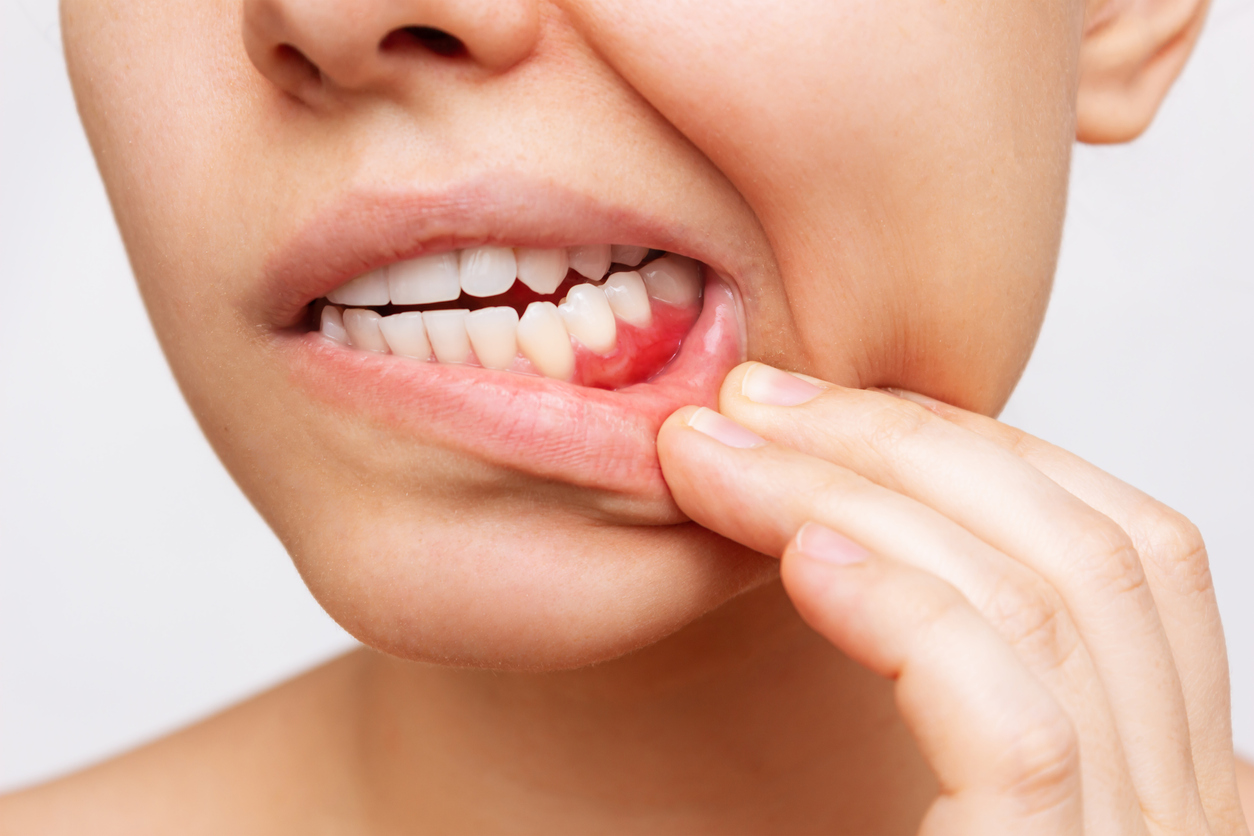
Gum disease can begin with small changes that are easy to ignore. The early signs may seem minor, but they can become more serious when treatment is delayed.
Most dental providers approach gum disease care based on factors such as the condition of the gums, the level of infection, and the overall condition of the teeth and supporting bone. At Gentle Care Family Dental, patients can receive care based on their individual dental needs, including Dental Implants in Highpoint when tooth replacement is needed.
This guide explains the early signs of gum disease, what different treatment needs may involve, and what to check before choosing dental care. A simple comparison table and checklist can also help you understand what may be included in your treatment plan.
Early Signs of Gum Disease in Highpoint: What Determines the Right Choice?
The right dental treatment depends mainly on the condition of your gums, teeth, and supporting tissues.
| Type / Stage | Key Characteristics | Best Fit For |
|---|---|---|
| Healthy Gums | Firm gums with little or no bleeding during routine care | Patients maintaining regular oral hygiene |
| Early Gum Disease | Redness, swelling, tenderness, or bleeding during brushing | Patients who need early gum care |
| Moderate Gum Disease | More noticeable inflammation and changes around the teeth | Patients needing a more detailed periodontal evaluation |
| Advanced Gum Disease | Damage to supporting tissues and possible tooth instability | Patients requiring comprehensive periodontal treatment |
| Tooth Loss Related to Gum Disease | Missing or severely damaged teeth may affect function and appearance | Patients who may need tooth replacement options |
A simple way to understand it: Early problems may need preventive or periodontal care before they become more complicated.
More advanced cases can require a broader treatment plan. The goal is to choose care based on the actual condition rather than selecting a treatment simply because it sounds appropriate.
Why Do Two Gum Disease Treatment Plans in Highpoint Look Different?
Dental providers may not scope the same type of gum care in the same way. Your treatment plan can change depending on what the examination shows.
Common differences include:
- Treatment bundling: Some services may be included together, while others may be listed separately.
- Complexity: Mild gum inflammation requires a different approach from deeper periodontal problems.
- Follow-up care: Some patients may need additional visits to check how the gums respond to treatment.
- Additional treatment: Tooth damage, infection, or tooth loss can affect the overall dental plan.
This is why comparing dental care only by the name of the service can be misleading. The important question is what your specific treatment plan includes and why it is recommended.
Early Gum Disease Signs: What Should You Watch For?
Red or Swollen Gums
Healthy gums generally look firm and comfortable. Redness, swelling, or tenderness can be an early indication that your gums need attention.
These changes should not be ignored, especially if they continue despite regular brushing and flossing.
Bleeding During Brushing or Flossing
Bleeding gums can be one of the most noticeable early warning signs. Some people assume occasional bleeding is normal, but recurring bleeding can indicate gum inflammation.
A dental examination can help determine what is causing the bleeding and whether gum treatment is needed.
Persistent Bad Breath
Bad breath that continues even after brushing may sometimes be linked to bacteria around the teeth and gums. It can be a sign that plaque or infection is not being fully controlled.
Regular dental care can help identify the underlying cause rather than simply covering the smell.
Gums Pulling Away From the Teeth
Changes in the position of the gums can make the teeth appear longer. This may happen when gum tissues begin to recede.
Gum recession should be evaluated because it can expose sensitive areas of the teeth and may be associated with periodontal problems.
Loose or Sensitive Teeth
Changes in tooth stability or increased sensitivity can indicate that the tissues supporting the teeth need attention. More advanced gum disease can affect the structures that help hold teeth in place.
If tooth loss occurs, replacement options such as Dental Implants in Highpoint may become part of a broader treatment discussion.
Gum Disease Checklist: What Is Included vs Extra?
| Often Included | Often Extra |
|---|---|
| Dental examination | Additional periodontal procedures |
| Gum health assessment | Treatment for advanced gum problems |
| Review of oral hygiene | Tooth replacement planning |
| Personalized treatment recommendations | Additional follow-up care |
The overall plan can change when gum disease has affected the teeth or supporting bone. This is particularly important when a patient is considering dental implants, because healthy supporting tissues are an important part of successful tooth replacement planning.
The Gentle Care Family Dental Dental Implants in Highpoint page explains when dental implants are recommended and why case-based evaluation matters when deciding on treatment.
The right option should fit the case, not be picked like a menu item.
Still Looking for the Best Dental Implants in Highpoint? Contact Gentle Care Family Dental
Gentle Care Family Dental provides case-based dental evaluations to help patients understand their oral health and treatment options. If you notice bleeding gums, swelling, persistent bad breath, gum recession, or changes in your teeth, an evaluation can help identify the problem early.
A simple path to treatment includes:
- Consult: Discuss your symptoms and dental concerns.
- Confirm scope: Examine your teeth, gums, and supporting structures.
- Choose the option: Select treatment based on your individual needs.
- Get the plan in writing: Understand what is recommended and what follow-up care may involve.
For dental care and Dental Implants in Highpoint, contact Gentle Care Family Dental at (336)-899-8992.
Best Dental Office in Highpoint | Gentle Care Family Dental