


Tooth pain has a way of interrupting everything—eating, sleeping, working, even smiling. When that pain comes from deep inside the tooth, a root canal can be the safest way to stop the discomfort and protect your natural tooth. At Gentle Care, root canal treatment is designed to feel stress-free, gentle, and reassuring—so you can walk in with pain and walk out with relief.
What is a Root Canal, Really?
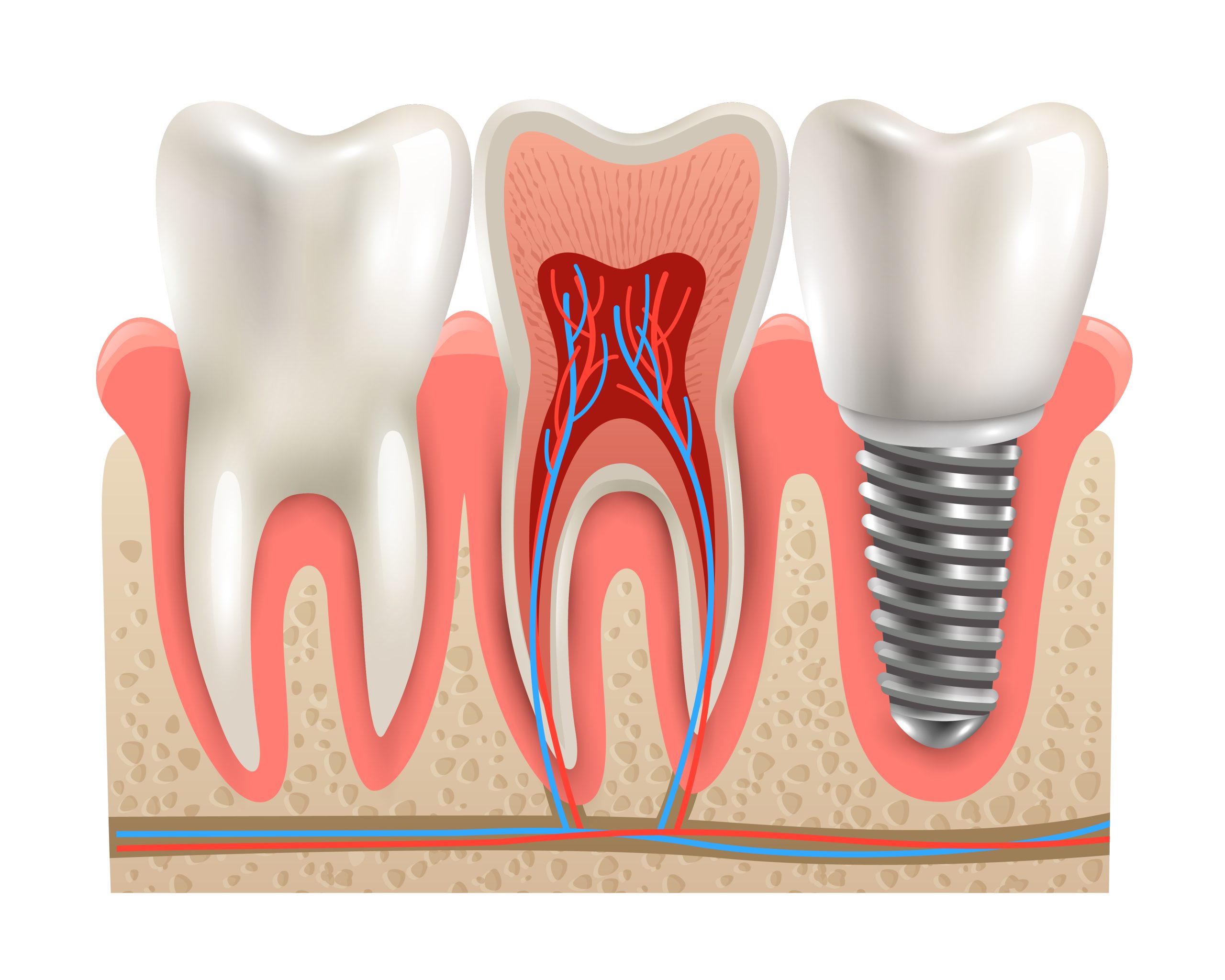
A root canal is a dental procedure that treats an infected or inflamed tooth from the inside. Inside every tooth is a soft tissue called the pulp. If that pulp becomes infected due to decay, cracks, trauma, or repeated dental work, it can lead to severe pain and swelling.
Instead of removing the entire tooth, a root canal cleans the infected pulp, seals the inner space, and helps the tooth stay in place—strong, functional, and natural-looking.
When Do You Need a Root Canal?
Not every toothache means a root canal, but certain signs strongly suggest the tooth needs deeper treatment. These include:
-
Constant or throbbing tooth pain
-
Pain while chewing or biting
-
Sensitivity to hot or cold that lingers
-
Swelling in the gums near a tooth
-
Darkening of the tooth
-
A pimple-like bump on the gum
-
Pain that comes back repeatedly
Sometimes, infection can be present even without obvious pain. That’s why a dental check-up matters, especially when the tooth feels “different” or weak.
What Happens During Root Canal Treatment at Gentle Care?
One of the biggest fears patients have is, “Will it hurt?” The good news is modern root canal treatment is nothing like the scary stories people hear. At Gentle Care, the process is done with a focus on comfort from start to finish.
Here’s what you can expect:
1) Careful Examination and Diagnosis Your dentist checks the tooth, takes the necessary scans, and confirms whether a root canal is required. The goal is to treat only what’s needed—nothing extra, nothing rushed.
2) Numbing and Comfort First Local anesthesia is used to numb the area properly. Most patients feel minimal discomfort during the procedure, and many are surprised by how easy it feels.
3) Cleaning the Infection The dentist gently removes the infected pulp from inside the tooth and cleans the root canals thoroughly. This step is what removes the pain-causing infection.
4) Sealing the Tooth After cleaning, the canals are shaped and sealed to prevent infection from returning. The tooth is then restored so you can use it normally again.
5) Final Restoration for Strength In many cases, a crown may be recommended after a root canal. This protects the tooth from cracking and helps it handle everyday chewing pressure.
Is a Root Canal Better Than Tooth Removal?
In most cases, yes. Saving the natural tooth is often the best choice because it keeps your bite balanced and maintains normal chewing. Tooth removal can lead to shifting teeth, difficulty eating, and the need for replacement options later.
A root canal helps you keep your own tooth and avoid more complex procedures.
How Long Does It Take to Recover?
Recovery is usually simple. Mild tenderness is normal for a day or two, especially when biting, but it improves quickly. Most patients return to their daily routine right after the appointment.
After treatment, it’s important to:
-
Avoid chewing hard foods on that tooth until fully restored
-
Take any prescribed medications as advised
-
Maintain oral hygiene like brushing and flossing daily
-
Attend follow-up appointments if needed
Why Patients Feel Safe Choosing Gentle Care
A root canal is not just a procedure—it’s a moment where patients need trust and comfort. Gentle Care focuses on keeping the experience relaxed and clear, with guidance at every step. Whether it’s explaining what’s happening, ensuring you feel no pain, or making sure the tooth is properly restored, the treatment is done with patience and precision.
Root Canal Myths That Need to Stop
Myth: Root canals are painful. Reality: The infection causes the pain, not the treatment. Root canals often relieve pain quickly.
Myth: It’s better to remove the tooth. Reality: Keeping your natural tooth is usually healthier and more cost-effective long-term.
Myth: Root canal treated teeth don’t last. Reality: With proper restoration and care, they can last many years—often a lifetime.
Final Thoughts
If you’ve been avoiding treatment because you feel nervous, you’re not alone. But the truth is, a root canal is one of the most effective ways to stop tooth pain and save your natural smile. At Gentle Care, the goal is simple: treat the problem gently, restore the tooth properly, and help you feel comfortable the whole way through.
If your tooth has been bothering you for a while, don’t wait until it gets worse. Early treatment is easier, faster, and more comfortable—and it can save your tooth.